
GVNL Perspective Online | How can the production of sustainable aviation fuel take off?


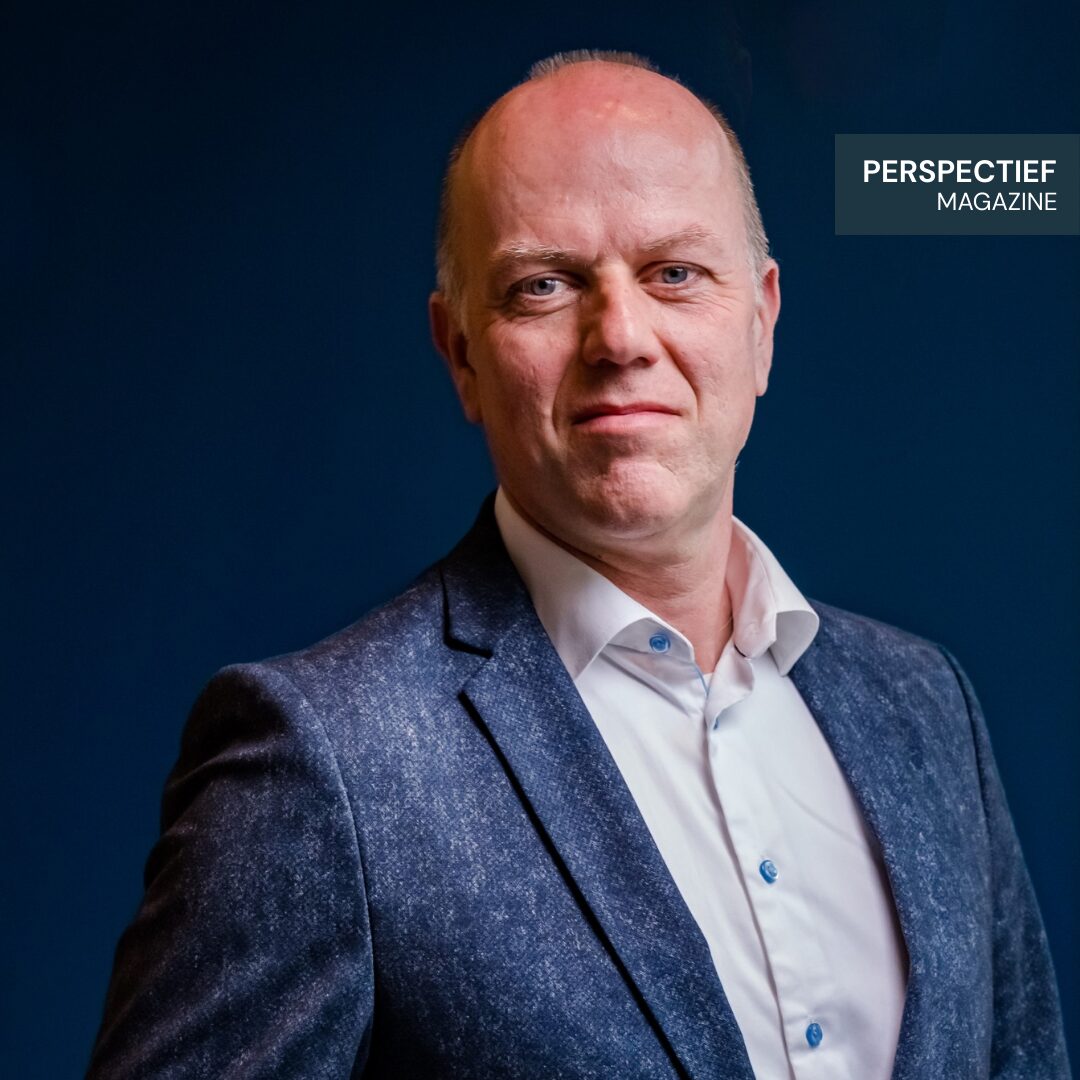
The SAF Centre of Excellence (CoE) originates from the Ministry of Climate and Green Growth, the Ministry of Infrastructure and Water Management, and TU Delft, with John Nijenhuis, technology manager and managing director of the e-Refinery Institute, as the lead. “The reason is the European mandates that require the aviation sector to blend in sustainable fuel in increasing percentages over the coming years. An important component is e-SAF: synthetic sustainable fuels made from, for example, green hydrogen. If we assume that we want to continue flying at the same cost, we currently do not have the technology to produce e-SAF in an economically viable, scalable and sustainable way.”
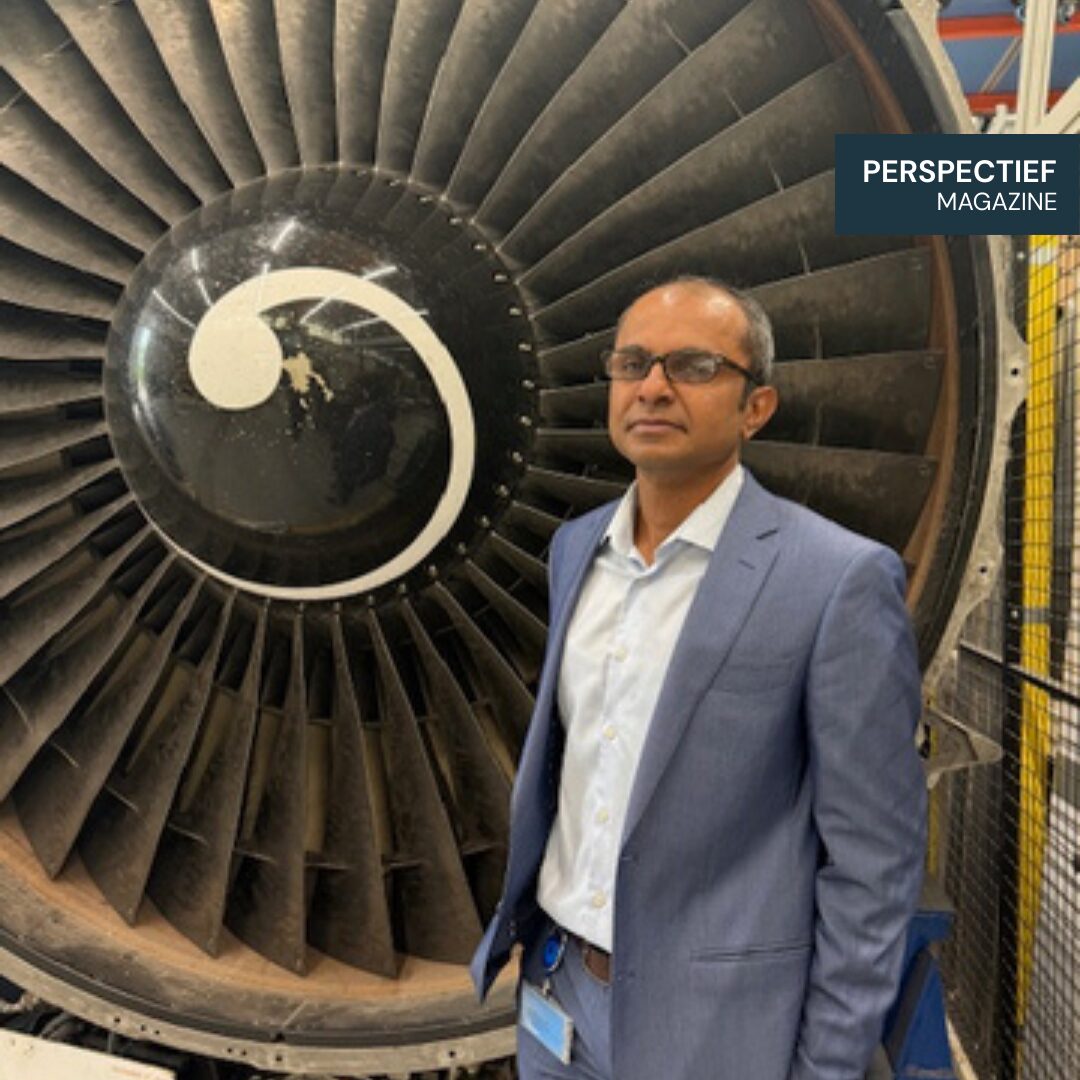
So there is work to be done. But what does that ‘shop’ for producing e-SAF actually look like? “That is the big question,” says Nijenhuis’ colleague and co-lead of the CoE, Arvind Gangoli Rao, Professor of Sustainable Aircraft Propulsion. “There are various routes to produce e-SAF. What we will develop or improve depends on the issues we still need to address. For example, the price: what will people be willing to pay to fly in the future? Or consider the safety requirements that new fuels and aircraft must meet. In this way, many technological, operational, policy-related, societal and other aspects require answers.”
The questions raised by Gangoli Rao are closely interconnected. “That is why both the Ministries of Climate and Green Growth and Infrastructure and Water Management, as well as many industrial players, approached us to establish a Centre of Excellence to address these issues in an integrated way,” says Nijenhuis. “The aim is to use expertise from academia and industry to fill knowledge gaps, enabling the government to take well-informed next steps, and to translate new insights directly into value together with industrial partners. These include parties that can supply SAF and e-SAF, the aviation sector and knowledge institutions. Together, we identify the key issues and risks and work on solutions in consortium-based projects. It is a challenging task, but enthusiasm among the potential participants is high.”
Lower price, higher availability
Ron van Manen is Project Director of Luchtvaart in Transitie, a programme of the Dutch government and the Dutch aviation sector aimed at accelerating the sustainability of aviation. “We are focusing on more efficient flying and on the use of sustainable energy sources, including SAF,” he says. “However, the price of e-SAF is currently still far too high and availability is too low. Electrolysis technology needs to become more efficient, and access to renewable energy must be improved. We may also need to consider what the global production chain for green hydrogen and e-SAF could look like in the future. Government intervention is needed to address these issues.”
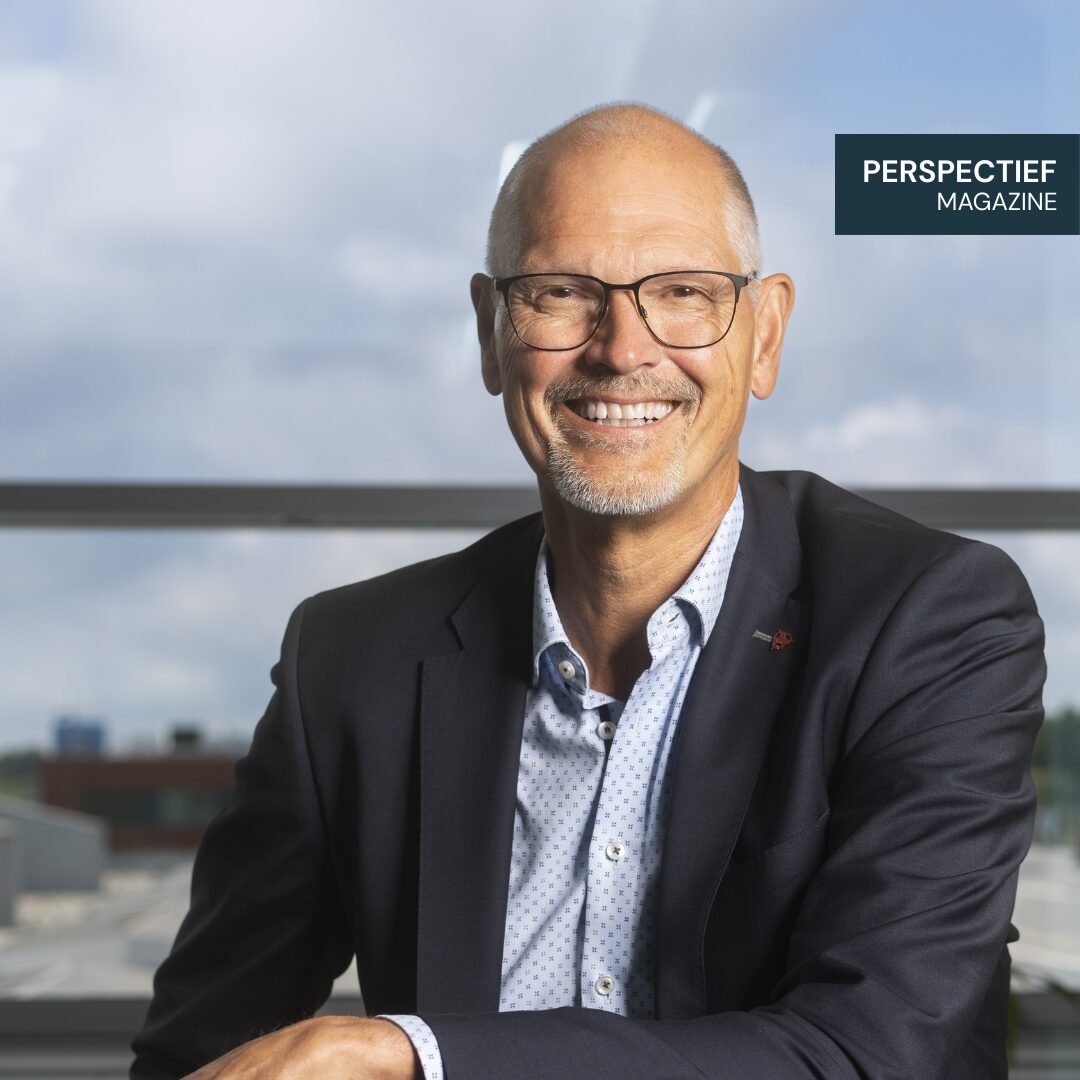
Van Manen has a clear view of the figures of the EU mandate for aviation to blend in sustainable fuel (see box). “The percentages increase rapidly, particularly after 2032. To keep flying affordable and to produce sufficient SAF, action is needed now.” Nijenhuis shares this view. “We need clarity quickly, make choices about which technologies we will further develop, and determine where and how we will use them. In this respect, the EU mandate may well be a blessing, as it can act as a catalyst to make the industry more sustainable.”
Level global playing field
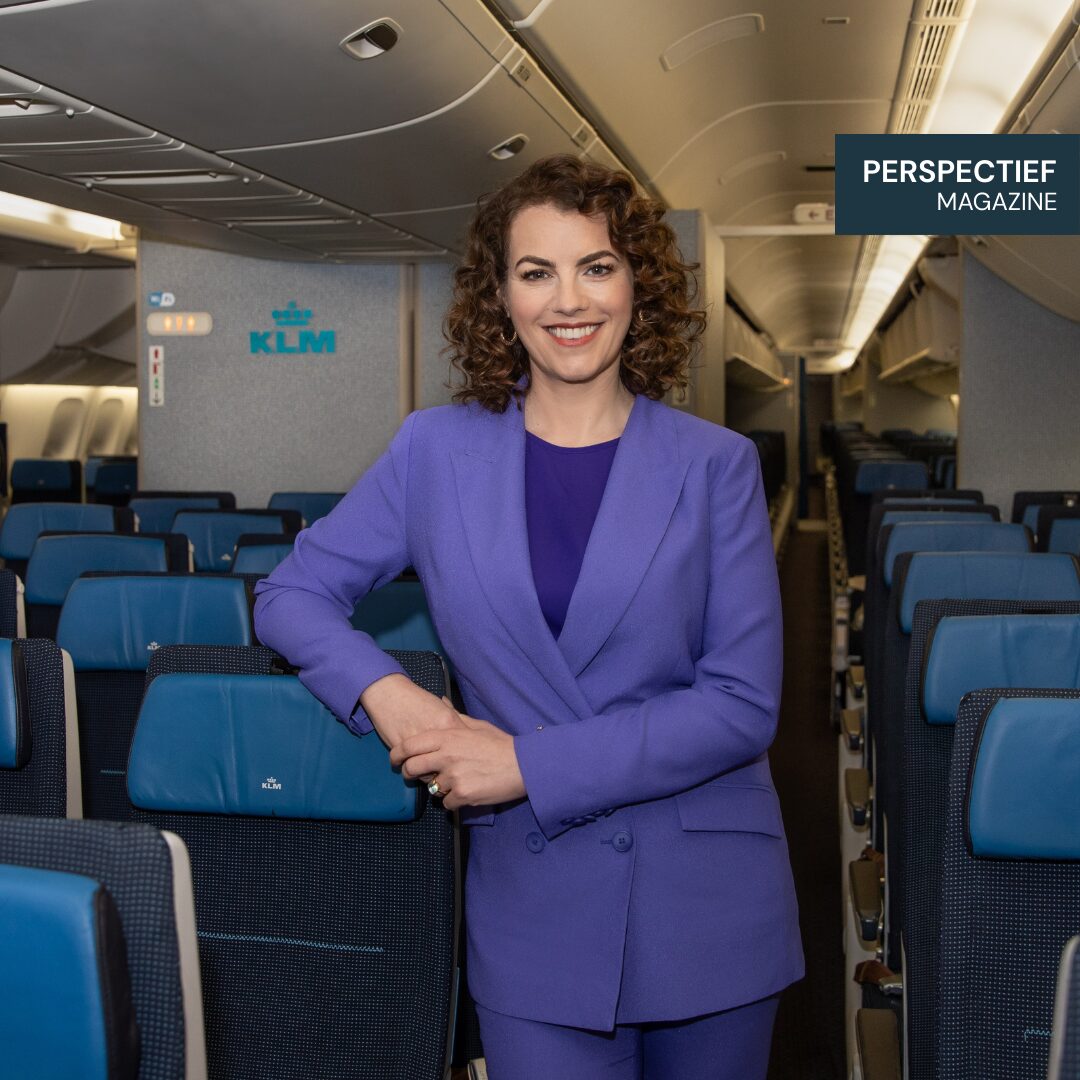
“We welcome all initiatives that accelerate SAF in the Netherlands,” says Zita Schellekens, Senior Vice President Strategy, Sustainability & Transformation at KLM. “e-SAF is essential for making aviation more sustainable, particularly because feedstocks for HEFA, a biofuel, are limited in availability.” KLM is a co-founder of Project SkyPower, a collaboration within the European e-SAF value chain aimed at making e-SAF commercially available in Europe by 2030. “We also advocate a global and harmonised approach to create a level playing field and prevent carbon leakage. For example, revenues from aviation taxes or from the European Emissions Trading System should be reinvested in the development of SAF or e-SAF.”
What is e-SAF?
e-SAF is synthetic sustainable aviation fuel (Sustainable Aviation Fuel). It is produced using electricity, for example via green hydrogen and captured carbon. Sustainable aviation fuel can also be produced from biomass.
With the ReFuelEU Aviation regulation, the EU aims to promote the production and use of sustainable fuels for aviation. It is an important instrument to reduce CO₂ emissions from air transport. The EU sets requirements for aviation fuel suppliers to gradually increase the share of SAF in conventional aviation fuel at EU airports. A smaller share consists of e-SAF.
-
2% share of SAF at EU airports from 2025
-
70% share of SAF at all EU airports from 2050
-
1.2% share of e-SAF at all EU airports from 2030
-
35% share of e-SAF at all EU airports from 2050
GroenvermogenNL supports the technological development and scaling up of e-SAF production. Under the project name HyCARB, a broad consortium of knowledge institutions and dozens of companies is conducting research into the production of carbon-based chemicals using hydrogen, green electrons and captured CO₂. The aim is to achieve breakthroughs through new scientific approaches, enabling cost-efficient, energy-efficient, sustainable and stable production of fuels and chemicals. The consortium focuses, among other things, on producing aviation fuels using electrolysis technology and thermocatalysis.
This article was originally published in the GVNL Perspective magazine. With GVNL Perspective, we highlight how the hydrogen transition is evolving: from ambition to implementation. In this online series, we share articles from the first GVNL Perspective magazine, featuring expert insights, inspiring stories from pioneers, and examples of innovation that demonstrate how the Netherlands is gradually turning the promise of green hydrogen into reality—driven by a shared ambition to move forward.