
GVNL Perspective Online


From optimism to realism
Alarm bells are ringing, warning signs are flashing and letters of concern are being issued. Media reports highlight company closures and projects that have paused or been halted. The decarbonisation of Dutch industry does not come without challenges. At times it may seem like we are falling behind. Yet that picture is too pessimistic. There are investment decisions being made that contribute to the energy and raw materials transition. And with the Package for Green Growth, industry has taken a step forward.
Even in the hydrogen sector, reality has set in. The rosy expectations have dissipated, but the conviction remains that hydrogen is an indispensable molecule. Direct electrification is preferred wherever possible, also because it enables ever-higher process temperatures. At the same time, there appears to be a larger role for the import and direct use of hydrogen carriers and intermediates, as renewable electricity is cheaper in some other regions. As a consequence, expected hydrogen demand in the Netherlands now sits below earlier forecasts.
The challenge remains that the entire value chain — from offshore wind generation to the end-user — must be developed coherently. When one link slows, the rest stalls. The delay in the Delta Rhine Corridor is illustrative: buyers wait, and producers wait with them. On the positive side, efforts are now underway to develop a more realistic planning framework, making it clearer when parties will be able to connect to the national hydrogen network. The implementation of the European Renewable Energy Directive (RED-III) also provides firmer direction, with concrete obligations for Member States to deploy renewable hydrogen (and carriers) in industry and transport.
“When one link slows, the rest stalls”
A persistent challenge remains pricing. Green hydrogen is significantly more expensive than grey hydrogen, while core industry can hardly pass these additional costs on. For this reason, more than one hundred Dutch companies and industry associations have already publicly supported a Call for Demand Creation in Brussels to stimulate green end markets. This appeal has been incorporated into the Clean Industrial Deal, with proposals to create demand-pull mechanisms in specific value chains.
There is also a role for low-carbon hydrogen. In recent years, investment decisions have been made to “blue” existing grey production via CO₂ capture, transport and storage. Other hydrogen production pathways likewise offer opportunities to deliver volumes faster at costs below those of electrolytic hydrogen.
There are therefore many reasons to remain optimistic about hydrogen, because realism keeps us grounded, while collaboration and building value chains keep us moving forward.
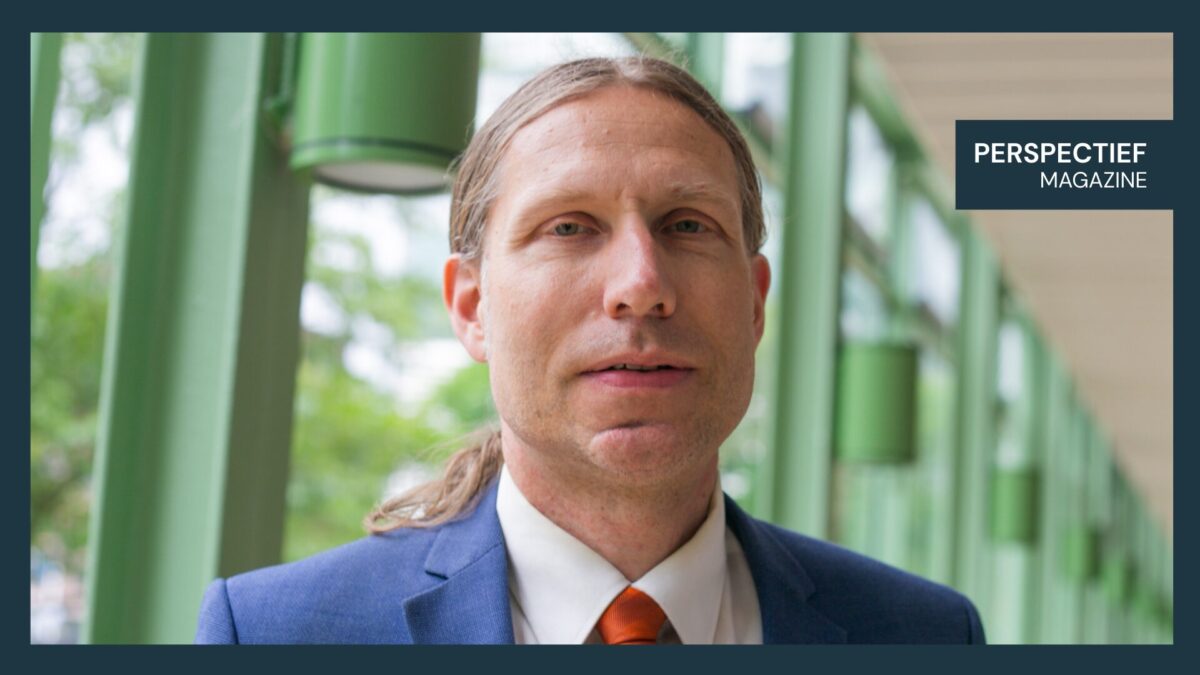
Jarno Dakhorst
Senior Policy Officer
Directorate for Industrial Decarbonisation
Ministry of Climate Policy and Green Growth