
H2 Impactmakers: Karsten Dietvorst, External Partnership Specialist at Prodrive Technologies


What inspired you to start this hydrogen project, and what motivates you to continue?
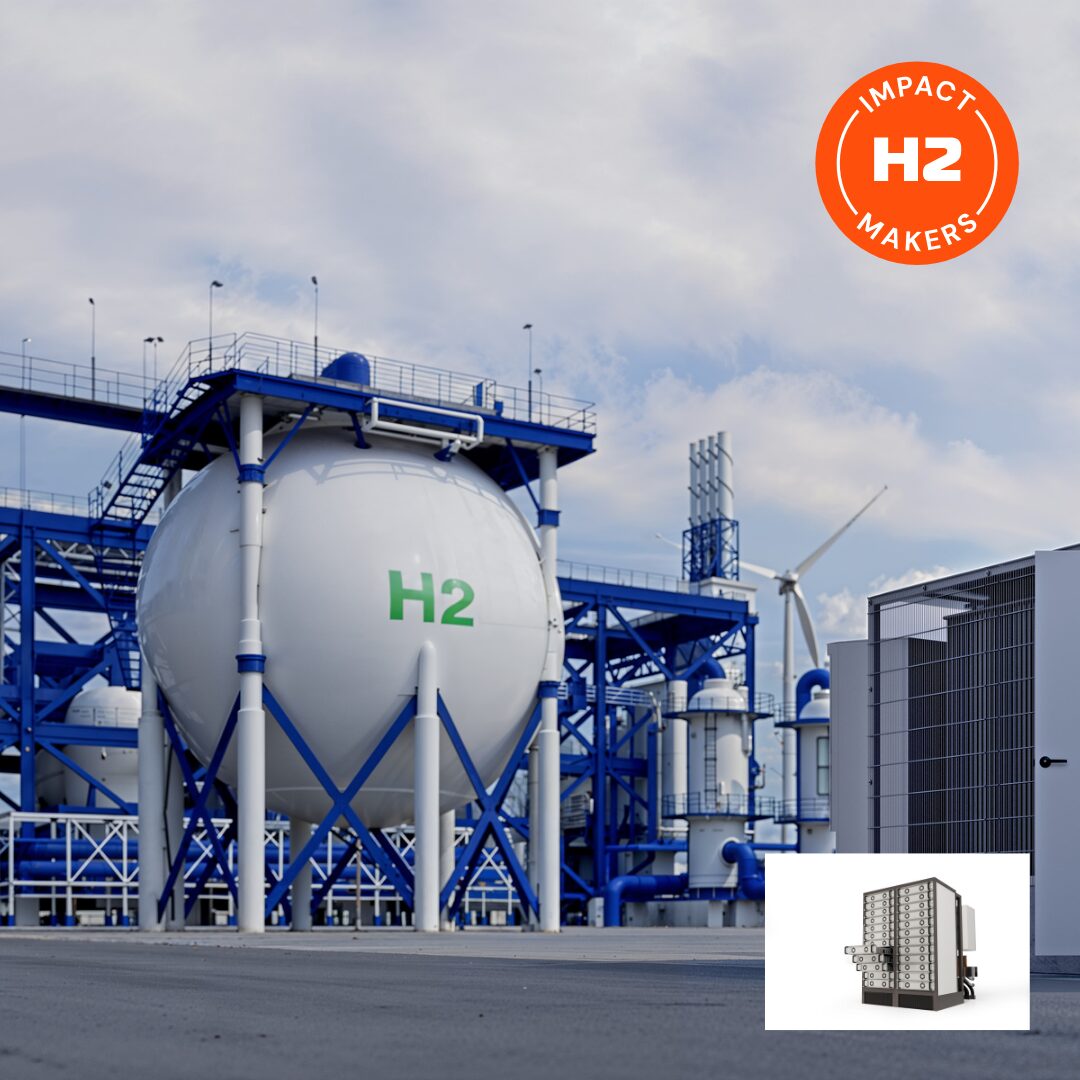
“I find emerging markets and all the uncertainties that come with them particularly interesting. Hydrogen is a great example of this. Together, we need to build an entirely new ecosystem. It is a privilege to contribute to this, and it aligns perfectly with our mission: ‘We create meaningful technologies that make the world work.’ We focus on the development of electronics, our core business, and more specifically on the Smart Rectifier project and the further development of this concept. Through this multi-year project, we develop flexible rectifiers for electrolysers, including the current Hydra Rectifier and the Typhon turnkey solution. Rectifiers convert alternating current from the electricity grid into direct current, enabling even the largest electrolysers to produce hydrogen.”
What challenges have you encountered during the implementation of this project, and how did you overcome them?
“The biggest challenge has been the chicken-and-egg dilemma facing the green hydrogen market. It is characteristic of this new ecosystem that is still being developed: on the one hand, producers only want to produce hydrogen once there are enough users, while on the other hand, users only want to invest in hydrogen once large-scale production is available. Everyone is waiting, making it difficult to bring our technology to market, as customers prefer to see it in operation first. In the meantime, we have successfully demonstrated our megawatt-scale rectifiers in a test installation at a major industry player. We are also in an advanced stage of discussions with several other major players.”
What do you think is the project’s biggest contribution to the transition towards a sustainable hydrogen economy?
“We enable the efficient and scalable production of green hydrogen. Our rectifier is more efficient than comparable power electronics while addressing several key challenges at the same time: energy losses during conversion, the physical footprint of the installation, and disturbances to the electricity grid. As a result, the cost per kilogram of green hydrogen can be significantly reduced.”
“The rectifier has a modular design, making it suitable for electrolysers of various sizes. It can also handle a wide range of supply voltages and different electrolyser technologies. Thanks to this flexibility, the system can easily be adapted to future expansions or upgrades of electrolyser installations.”
“In this way, we not only accelerate the energy transition but also help reduce the grid disturbances that typically occur during electrolysis. This stabilising effect is essential for creating a reliable and future-proof energy system, particularly as hydrogen production scales up.”
Which support or collaboration has played a crucial role in the success of your project?
“The collaboration with the Institute for Sustainable Process Technology (ISPT) gave our project its initial momentum. It enabled us to carry out research on the rectifier and further develop it into a demonstration project. Through ISPT, we connected with other innovative organisations, which ultimately led to our participation in HyPRO, GroenvermogenNL’s multi-year programme aimed at advancing the large-scale production of sustainable hydrogen. Funding has been essential in sustaining the project over the years. And last but not least: the longstanding support of our management.”
How do you see the future of hydrogen, and what do you hope your project will contribute to it?
“It is not a question of if, but when, green hydrogen will become a success. The hype has passed, and the advantage of that is that the truly committed players have remained. These organisations have great confidence in our product and the new concepts we are developing. While our current focus is on the hydrogen sector, we also see future opportunities in areas such as the growing demand for direct current in data centres. By diversifying, we strengthen our position, which is not only beneficial for our company but also for the Dutch economy. By retaining and advancing Dutch technology, we contribute to the technological sovereignty of both the Netherlands and Europe.”