
Identifying knowledge areas
This programme line sheds light on:
- Skill and knowledge requirements
- Promising career paths
- Boosting enrolment in vocational education programmes
- Oversight of various aspects of the Human Capital Agenda
Labour market survey: the skills and knowledge needed for the hydrogen transition
In 2023 and 2025, GroenvermogenNL commissioned both qualitative and quantitative labour market studies.
In 2023, CE Delft en SEO Economisch Onderzoek estimated that an additional 38,000 FTE will be needed by 2030 to support the hydrogen transition. Demand is expected to grow for professionals in electrochemistry, electrical engineering, process technology, chemistry and biology. Educating and attracting sufficient talent in these fields is a major challenge. The inflow of young graduates alone will not be enough to meet demand by 2030, nor can neighbouring border regions provide sufficient additional workers, as they face ageing populations themselves. This means that young people entering the labour market must be well prepared for careers in the hydrogen economy. However, the largest workforce gap will need to be addressed by upskilling and reskilling the current workforce on the job.
You can read the complete research report by CE-Delft here
In 2025, SEO Economic Research concluded that nearly 29,000 additional FTE will be required. This lower estimate reflects the slowdown in investments in green hydrogen. Labour market bottlenecks are expected to emerge particularly in the West, North and South-West regions of the Netherlands, where labour demand is projected to outpace supply. Most of the workforce demand will be related to the construction of the national hydrogen backbone, import terminals and underground salt caverns for hydrogen storage.
Boosting enrolment in vocational education programmes: H2inO
Sustainability and a healthy climate are key priorities for young people. The hydrogen transition offers great opportunities to inspire young people about hydrogen technology, and to show how they can play a meaningful part in advancing the energy transition by pursuing a career in this field. GroenvermogenNL’s H2inO project gives young people a deeper understanding of hydrogen technology and its applications.
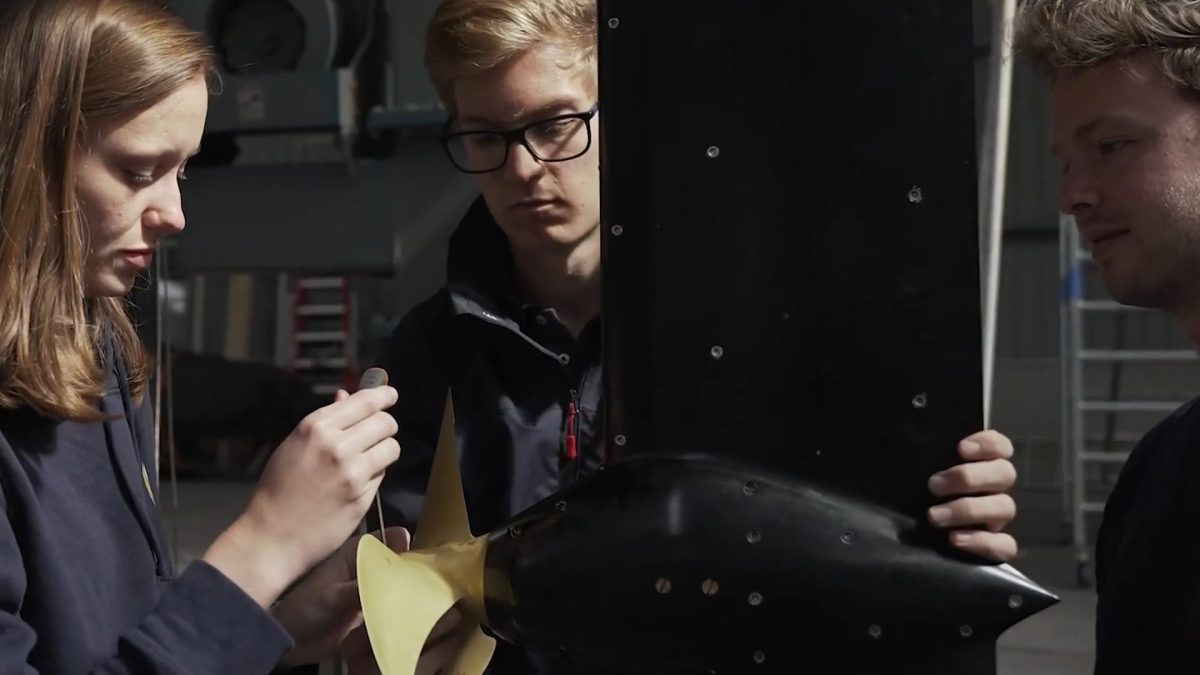
By incorporating new modules into their established curriculums, primary and secondary schools can give young people an engaging introduction to the energy transition, specifically highlighting the role of hydrogen. In line with this aim, we developed a range of resources, including a series of video clips featuring professionals from the hydrogen industry sharing insights into their work. The objective is to partner with over 100 schools between 2024 and 2029. The project is being implemented by the Talent for Technology Platform.
You can watch all videos hereMonitoring
We use the insights gained by GroenvermogenNL concerning the human capital issue to learn lessons and make any necessary modifications. What conclusions can we draw from the data and figures obtained by quantitative and qualitative research about what needs to be done in education, the labour market, partnerships, and policy? This monitoring approach is also applied to the other HCA programme lines and regions.
We monitor:
- The labour market dashboard
- The knowledge platform
- A variety of labour market monitors
- The development of regional learning communities
Want to know more about this proramme?
Do you have any questions about our knowledge areas? If so, please contact us:
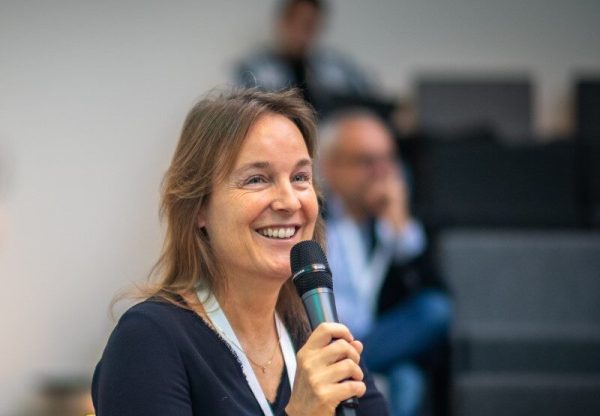
Marsha Wagner
Programma Manager