
Hot off the press
All items
Almost 29,000 FTEs needed for green hydrogen
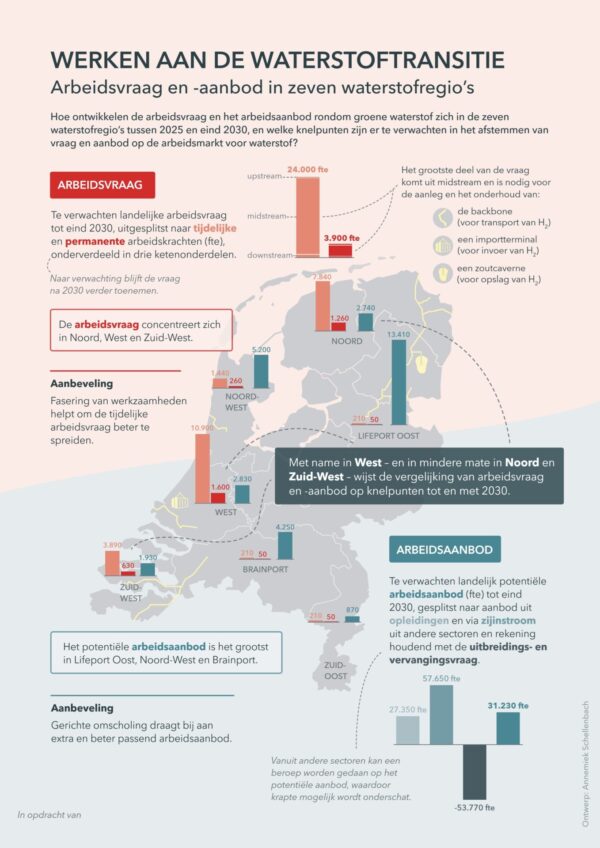
Green hydrogen is a crucial building block for the energy transition. It requires commitment from government, industry and education alike, as the development of a green hydrogen economy depends on the availability of sufficiently well-trained professionals. By the end of 2030, around 28,600 FTEs will be needed, according to a recent labour market study by SEO Economic Research.
Three regional projects kicked off to develop learning communities within the hydrogen chain
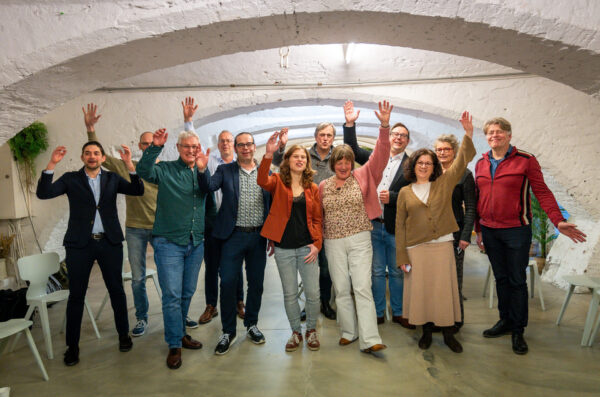
Three regions can officially begin their projects under the GroenvermogenNL human capital call “On the road to the future: Learning communities as drivers of the green hydrogen economy.” The proposals have been awarded funding by the Dutch Research Council (NWO).
H2 From pioneer to connector. Roeland Hogt, practor and member of the liaison team North, on education as the engine of the energy transition
The energy transition cannot succeed without educational innovation. A few years ago, only a handful of pioneers in education were experimenting with green hydrogen. Today, many teachers are passionate about it. Vocational education plays a crucial role, with students as the makers of a new future. Practor Roeland Hogt himself has made the shift from pioneer to strategic connector in educational innovation. “The success of GroenvermogenNL’s Human Capital Agenda lies with teachers who, from within their organisations, drive the educational and lifelong learning movement.”
H2 Impactmakers: Roeland Hogt, practor at Noorderpoort
Behind every hydrogen project lies a story of ambition, challenges, and hope for the future. We talk to project leaders, CEOs, researchers and other pioneers to discover what drives them, what lessons they learn, and how they contribute to a sustainable hydrogen economy. We asked five questions to Roeland Hogt, practor at Noorderpoort vocational education institute and member of the Human Capital Agenda (HCA) liaison team for the Northern region, about the teacher professionalisation project.
5 key factors for finding and retaining talent for the energy transition
The transition to a sustainable energy supply calls for many new skilled professionals, especially in the hydrogen sector. Make Hydrogen Work (MHW) is a collaboration between seven regional campuses in the Netherlands, designed to prepare professionals more quickly for a career in green hydrogen. The concept focuses on reducing the time-to-job: the period from the start of learning to the moment when someone is fully deployable in a role. This is achieved through targeted training programmes, job guarantee pathways, and close cooperation between companies, education providers and government.
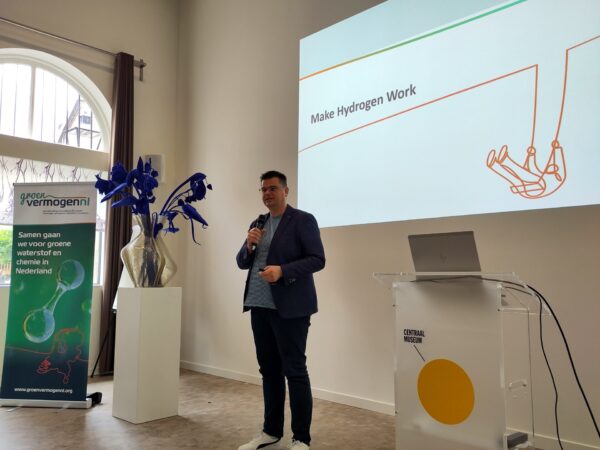
Digital job coach helps train more technical professionals
Skills Matching Platform (Arbeidsmatchplatform, AMP) is the first employer-led initiative in the energy transition that applies large-scale skills-based matching. The AMP increases the inflow of talent into the energy transition by focusing on skills instead of diplomas and guides candidates towards a job. This aligns seamlessly with GroenvermogenNL’s Make Hydrogen Work concept, aimed at accelerating labour market development around hydrogen. During the annual Make Hydrogen Work event, Njord Pattiasina gave a workshop on the AMP: “Let’s stop talking and just get started.”
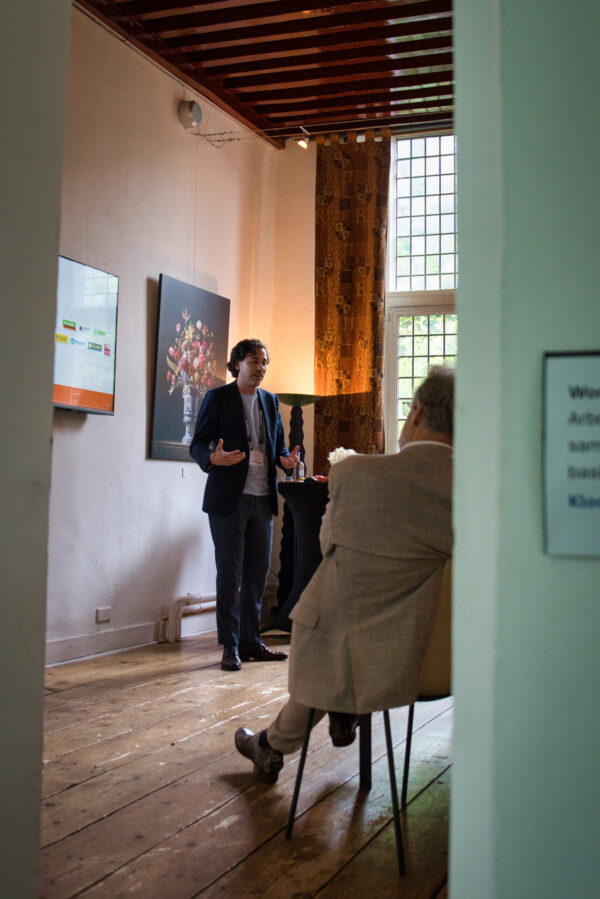
Building a skilled and flexible workforce for the hydrogen economy of tomorrow
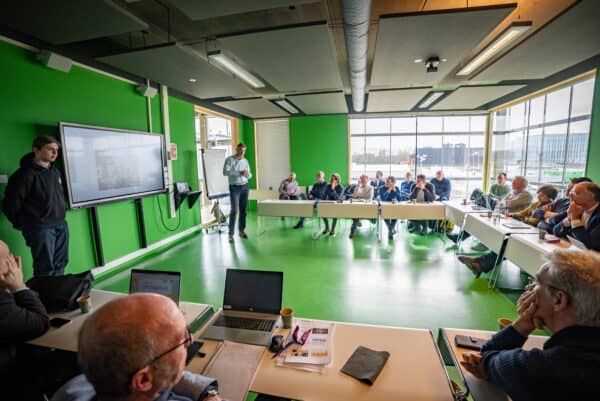
Ensuring professionals have the right hydrogen knowledge and skills at the right time is crucial to making the hydrogen transition a success. That’s the mission of GroenvermogenNL’s Make Hydrogen Work program. On June 24, educators, policymakers, and industry leaders came together at the Let’s Make Hydrogen Work event to build a strong learning culture. The main question of the day: how can we make hydrogen a driving force in our workforce?
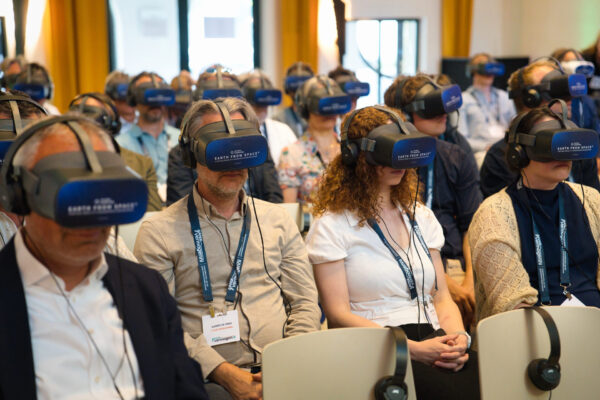
National Knowledge Platform for Hydrogen: from prototype to proof of concept
At the start of this year EnTranCe, together with a consortium of universities of applied sciences and vocational institutions, delivered a protoype of the National Knowledge Platform. This platform is part of the Human Capital Agenda of GroenvermogenNL. The aim is to make current hydrogen knowledge available, accessible, and useful.