
HyDIRECT is conducting further research into hydrogen as a sustainable fuel


Hydrogen offers concrete opportunities to make sectors more sustainable where electrification is not a fully-fledged alternative, such as high-temperature industrial processes and heavy transport. In addition, hydrogen plays a role in the energy system: it enables the storage of renewable electricity, helps to balance out the fluctuating output from wind and solar power, and helps to prevent grid congestion. As part of the HyUSE project, a consortium of 30 collaborating companies and institutions is developing technology for furnaces, gas turbines, engines and fuel cells. They are also conducting research into costs, the energy system, the supply chain and supporting policy.
Supplementary call
A new consortium called HyDIRECT is taking things a step further. Following a supplementary call from NWO and GroenvermogenNL, this partnership is taking the next step in developing applications for the direct use of hydrogen, as well as hydrogen carriers such as ammonia.
HyDIRECT’s research questions
More specifically, HyDIRECT focuses on the following areas:
- There are still unanswered questions regarding the use of hydrogen in industrial processes involving very high temperatures, such as: how does the flame behave, how does hydrogen affect the heat-resistant lining of furnaces, and does the end product keeps its quality?
- The Netherlands expects to import ‘green’ ammonia. Can this ammonia be burnt directly for industrial processes involving very high temperatures? And what does this mean for product quality?
- The second research area focuses on potential technologies for the direct conversion of hydrogen into energy, such as solid-oxide fuel cells (SOFCs). These are fuel cells that convert hydrogen or ammonia into heat and electricity. They could provide a solution for data centres, hospitals, smaller industrial sites and local energy hubs in areas where the electricity grid lacks capacity. Questions include the extent of long-term wear and tear, how SOFCs cope with fluctuating energy demand, and how AI can detect problems at an early stage.
- Solar and wind power do not always provide energy when we need it. A hybrid energy storage system can offer a solution for anything from a few hours to entire seasons. But what are the possibilities of a system combining hydrogen, batteries and thermal storage?
A single joint project proposal
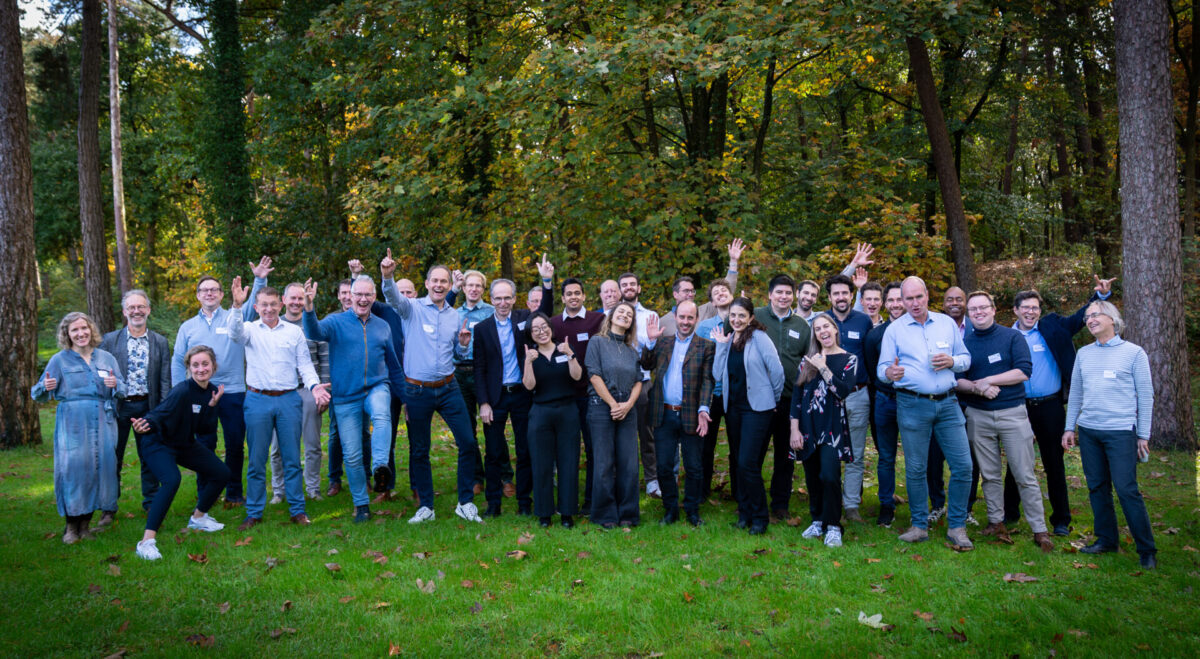
HyDIRECT now comprises 28 industrial, research and academic organisations. Based on current industry needs, they are working on a joint project proposal. They met for the first time in September to discuss this. During a three-day workshop, they got to know one another and outlined a project design focused on three areas: industrial processes involving very high temperatures, the direct conversion of hydrogen into energy (such as with SOFCs) and hybrid energy storage. In addition, Hamed Aslannejad (Utrecht University) was appointed general project leader and Ellart de Wit (ON2Quest) as technical project leader.
Second workshop and submission of proposal
On 27 and 28 October, the consortium met for a second workshop to further develop the project proposal. The partners will also invite additional parties to participate. They must submit the project proposal by 21 January at the latest. GroenvermogenNL is making €8.7 million in subsidies available for the project. If the proposal is approved, the four-year project can commence in 2027.
Further information
Would you like to stay informed about the call? Subscribe to the GroenvermogenNL newsletter (in Dutch). Or contact Cheng Liang at:

Cheng Liang
Programme Manager