
Inspiring Plenary Lectures by International Experts
Planery speaker | Peter Strasser – Technical University Berlin
Peter Strasser is the chaired professor of Electrochemistry in the Department of Chemistry at the Technical University Berlin. Prior to this, he served as Assistant Professor in the Department of Chemical and Biomolecular Engineering at the University of Houston. Before moving to Houston, he worked at Symyx Technologies, Santa Clara, CA, USA as a Senior Staff Scientist and Postdoctoral Associate.
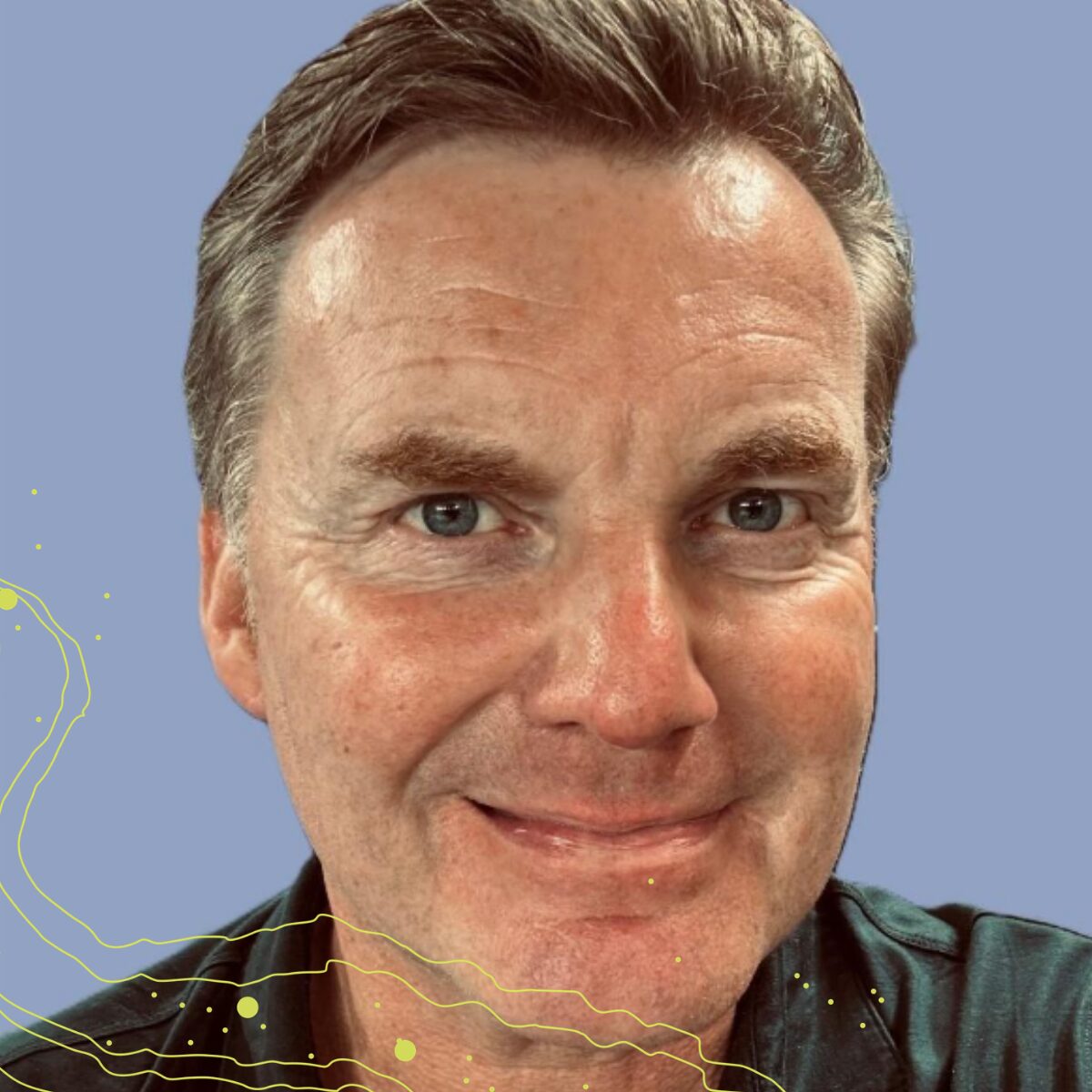
He studied Chemistry at Tübingen University, Stanford University and the University of Pisa and received his PhD in Physical Electrochemistry under Gerhard Ertl at the Fritz-Haber-Institute of the Max-Planck-Society in Berlin. Electrocatalysis is a central theme in his career. His interests have been ranging from understanding electrocatalytic oscillations to high throughput catalyst discovery using combinatorial screening methods. His current research focus lies on fundamental understanding of electrified catalytic solid-liquid interfaces for clean energy technologies. His current research interests include the discovery and functional characterization of new catalyst materials, along with the design of reactive interfaces for use in electrochemical energy storage and conversion devices for production and use of green hydrogen, e-fuels, and e-chemicals.
Recognitions of his work include the 2024 Gale Lectureship Award, the 2023 ECS Carl Wagner Memorial Award, 2022 F-cell award, the EFCF Christian Schönbein Gold Medal award, the RSC Faraday Medal, the ISE Brian Conway Prize, the IAHE Sir William Grove award, the Otto-Roelen medal in Catalysis from the German Catalysis Society, and the Otto-Hahn Medal from the Max-Planck Society. He is Fellow of the International Society of Electrochemistry (ISE) and a Fellow of the Electrochemical Society (ECS). He is elected member of the European Science Academy, Academia Europaea, and since 2026 elected Honorary Fellow of the Chemical Research Society of India.
Together with his team, Peter has authored more than 400 Journal publications and edited the book High-Throughput Screening in Chemical Catalysis. He is a named inventor on more than 20 issued U.S. and European patents. He has mentored spin-off companies such as “DexLeChem”, “Nano Cats”, and more recently “Liquid Loop” that commercialized technology from his labs.
Abstract: The catalytic dark side of solar fuels and chemicals – From electrons to molecules and back
The rising share of renewable electricity is testament to the increasing importance of solar/wind-electric routes to harvest sunlight in form of free electrons. While some electricity is used directly or stored capacitively, an increasing portion calls for direct conversion into valuable chemical energy carrier (solar fuels or chemicals). This conversion in the dark is made possible by heterogeneous electrocatalysis on the surface of solid electrodes. More fundamental understanding of the origin of kinetic barriers alongside with more control of transport processes of charge and mass are needed for the design of efficient, tailor-made electrochemical interfaces and devices for the production of fuels and chemicals.
In this presentation, I will report on recent advances in our design and understanding of electrocatalytic materials, interfaces, and devices for the generation of green hydrogen from pure and impure water, for the capture and valorization of CO2 into value-added carbonaceous e-fuels and e-chemicals. [1-6]
Plenary speaker | Magda Titirici – Imperial College London
Magda Titirici: Professor of Sustainable Energy Materials, Department of Chemical Engineering – Imperial College London
Magda Titirici received her PhD in Materials Chemistry from University of Dortmund in Germany after moving with her PhD supervisor from Johannes Guttenberg University Mainz. She joined the Max-Planck Institute of Colloids and Interfaces as a Postdoctoral Fellow and later become a Group Leader, starting her independent research on sustainable carbon materials in 2006. Magda received her Habilitation in 2013 from University of Potsdam/Max-Planck Institute. She then moved to UK, to Queen Mary University of London as a Reader in Materials Science and in 2014 she was promoted to Full Professor. Magda moved to Imperial College London in January 2019 to take up a Chair in Sustainable Energy Materials.
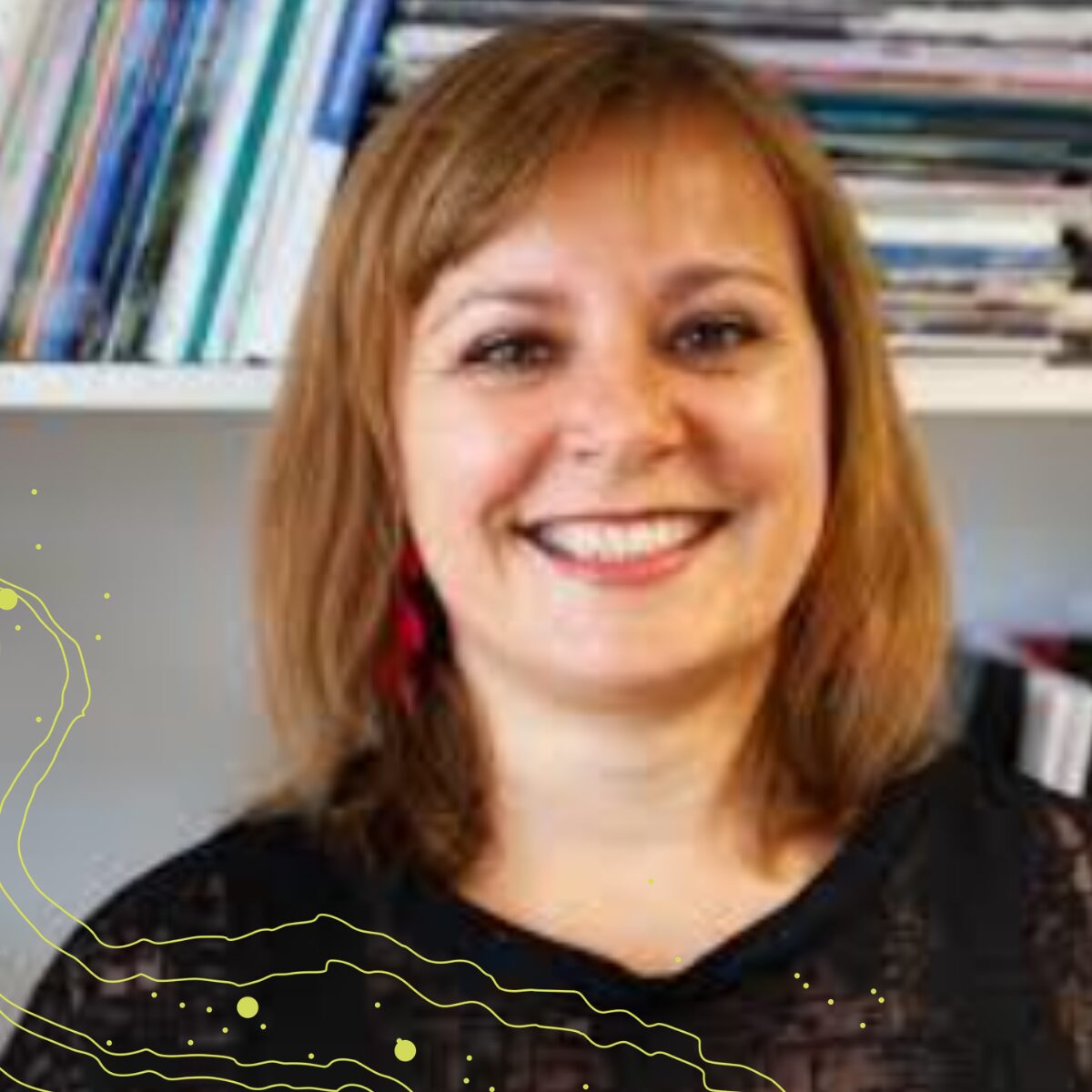
Magda is the author of over 350 articles and is included in the Global Highly Cited Researchers (Clarivate Analytics) since 2018. She is the author of 13 book chapters and one book. She also holds 7 patents. Magda has received the Rosenhein Medal from IoM3, an Honorary PhD from University of Stockholm in 2017, the Chinese Academy of Science President Fellowship, the Royal Society of Chemistry Corday-Morgen prize in 2018, a Royal Academy of Engineering Chair in Emerging Technologies fellowship in 2019, The Griffith Medal from IOM3 in 2002, The Kavli Medal and Lecture from Royal Society of Chemistry in 2022 and the Imperial President Medal for Excellent Research Team in 2023.
Her current research interests involve sustainable materials with focus on carbon and carbon hybrids produced via hydrothermal processes, waste recycling into advance products, avoidance of critical elements in renewable energy technologies and the development of truly sustainable clean electrochemical energy storage and conversion paths including alternative chemistries beyond Li, flexible and structural supercapacitors made from lignin/cellulose, carbon-based O2 electrocatalysis, CO2 capture and conversion and exploring the optoelectronic properties of nanocarbons.
Speakers morning break-out sessions
Bas van Dijk (TNO)
Breakout session 1: H2 production and conversion
Bas van Dijk has studied chemistry at the University of Amsterdam and received his master’s degree at the same university on the topic of selective, supramolecular assisted homogeneous catalysis. He continued research in the group of Dr. Dennis Hetterscheid and Prof. Dr. Marc Koper at Leiden University in the Netherlands on the topic of the oxygen evolution and reduction reactions as well as hydrogen peroxide synthesis using molecular electrocatalysts. He received his PhD March 2021 on his research on “The role and analysis of molecular systems in electrocatalysis”. Since then, he works at the Sustainable Technologies for Industrial Processes group in the Low Temperature Water Electrolysis team of the Netherlands Organization for Applied Scientific Research (TNO). Currently he is leading the PEMWE research and development activities as senior scientist focusing on improving efficiency, durability and cost reduction of PEMWE components and systems such as ultra-low iridium catalysts and PFAS-free membranes.
Katharina Doblhoff-Dier
Breakout session 1: H2 production and conversion
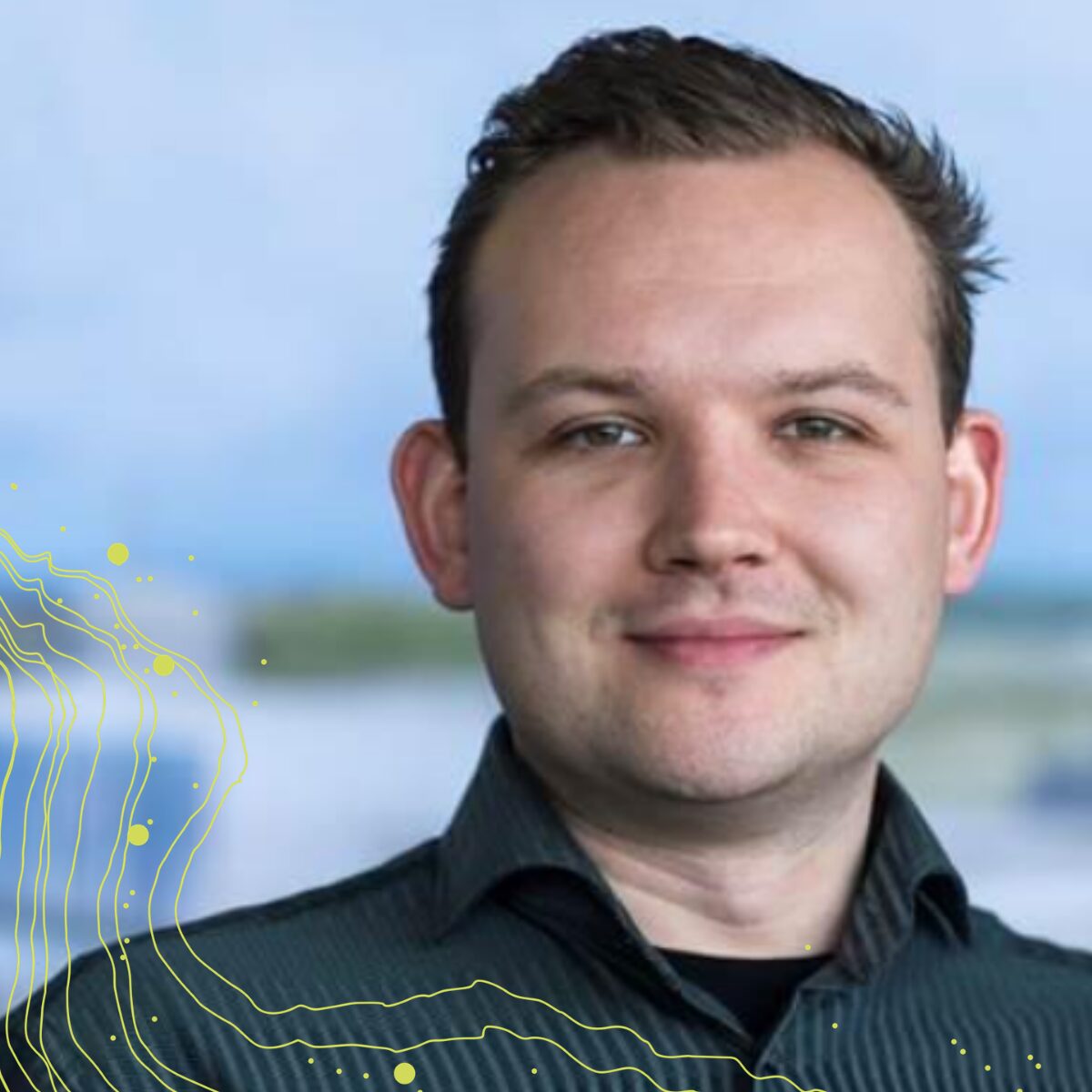
Katharina Doblhoff-Dier is a computational electrochemist who studies atomicscale processes at electrode–electrolyte interfaces, which is where electrochemical reactions take place. To address the complexity of these systems, she applies a broad range of theoretical approaches, ranging from electronic structure methods and molecular dynamics simulations to mean-field modeling. Katharina Doblhoff-Dier contributes to major collaborative research initiatives in electrochemistry, including the Dutch Gravitation Programme ANION and the EU COST Action EU-CONCERT. Driven by the ambition to bridge theory and experiment, her mission is to advance theoretical electrochemistry to provide models that support a clearer interpretation of experimental results and ultimately enable rational design in electrochemistry.
Abstract: Electrochemistry and the Electric Double Layer at the Atomic Scale: Effects of Surface Structure, Adsorbates, and Applied Potential
The (atomistic) structure of the electrochemical interface can strongly impact important electrochemical reactions. This structure, however, is notoriously difficult to investigate as it is impacted not only by the exact catalyst structure, but also by adsorbates and the applied potential. Computational studies can provide insight into the atomic structure of the double layer and into electronic effects at the interface. This insight can help rationalizing the (potential dependent) behavior of the electric double layer.
In this talk, I will discuss the behavior of ions near the electrode surface. Using computational approaches coupled to experimental observations, I will discuss the ion behavior, how potential impacts this behavior, and how the atomistic structure may affect electrochemical reactions. In addition, I will discuss how surface structure and adsorbates affect the electric double layer, providing a rational to experimental data.
Tom Breugelmans - (University of Antwerp)
Breakout session 2: CO2 conversion and N-based chemistry
Tom Breugelmans: Full professor at the University of Antwerp. Applied Electrochemistry and Catalysis group, the University of Antwerp
Tom Breugelmans obtained a PhD in Chemical Engineering from VUB in 2010 on Electrochemical Impedance Spectroscopy. He is currently a full professor at the University of Antwerp. He is the spokesperson for the research group ELCAT (Applied Electrochemistry and Catalysis), which he founded in 2013 and has since grown, and which currently employs about 45 people. Since September 2020, he has assumed the mandate of dean of the Faculty of Applied Engineering.
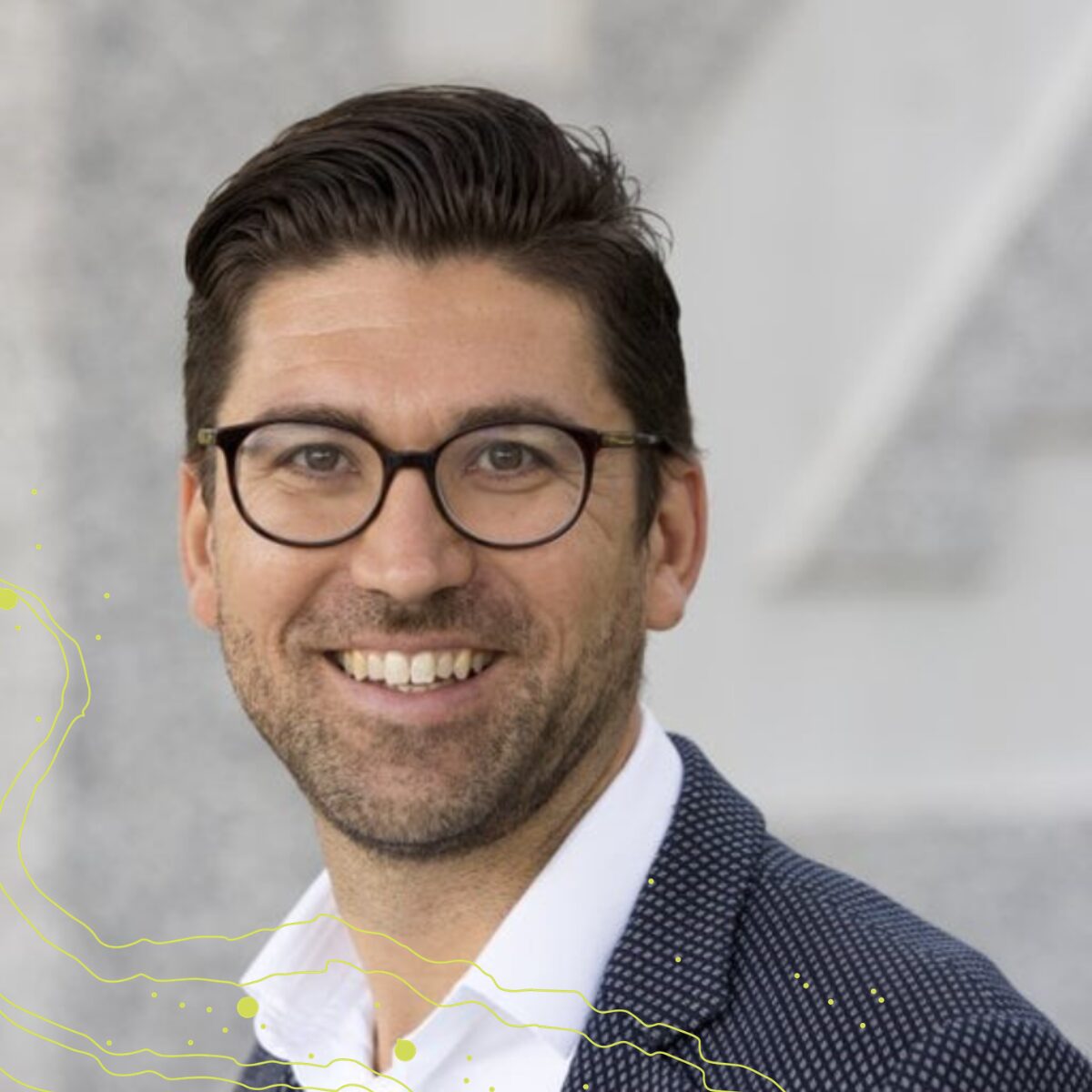
Tom is an internationally recognized expert in electrochemical reactor engineering suitable for industrial applications. He is determined to electrify the industry in a green and sustainable way to ultimately leave behind traditional, typically polluting, chemical processes. The main interests of Tom on which his research focuses are related to the development of state-of-the art electrochemical reactors and catalysts, with a view towards large-scale industrial development in the field of industrial electrification. At the moment, he is recognized in the field of electrochemistry mainly in the areas of CO2 electroreduction and water splitting and evolution. In 2023 he was awarded an ERC consolidator Grant to continue his work on CO2 electrolysis with as aim to revolutionize the reactor design by building it up from scratch.
Maryam Abdinejad (DTU)
Breakout session 2: CO2 conversion and N-based chemistry
Maryam Abdinejad joined DTU as an Assistant Professor in the Department of Energy Conversion and Storage a year ago. She earned her PhD in Molecular Science and Organic Chemistry, specializing in renewable energy applications. Maryam holds two MSc degrees, one from the UK and the other from Canada, in Molecular Science and Renewable Energy, with a focus on dye-sensitized solar cells. After completing her doctoral studies at the University of Toronto, Canada, she pursued postdoctoral research at Delft University of Technology in the Netherlands, where she focused on CO2 electroreduction and conversion. She then joined the Massachusetts Institute of Technology, MIT, in the United States as an Associate Postdoctoral Fellow in the Department of Chemical Engineering, contributing to pioneering research on photo and electrochemical direct CO2 capture technologies for an additional two years. Her cross-disciplinary, collaborative approach integrates fundamental catalytic processes with scalable industrial applications to drive the global transition toward sustainable energy solutions.
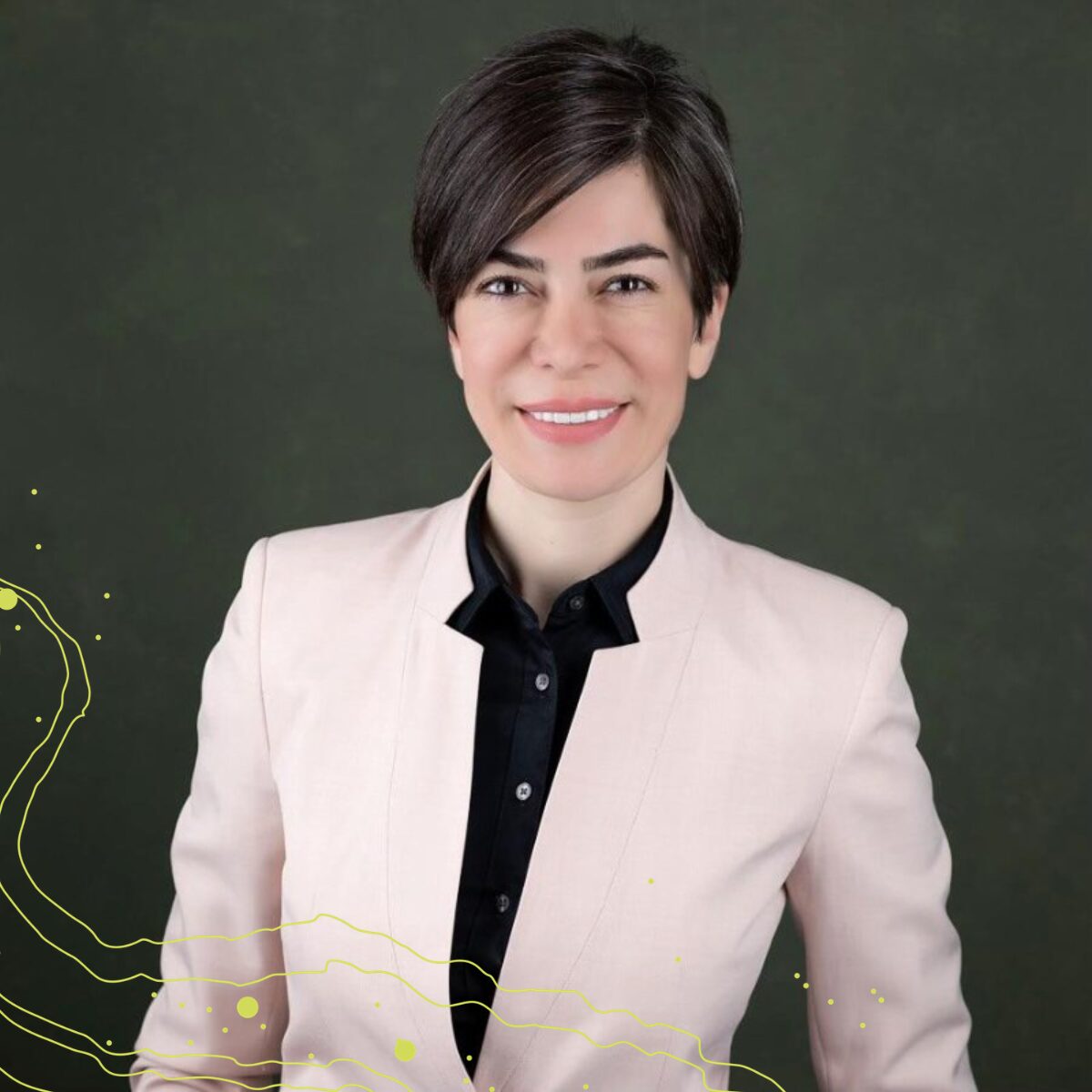
Abstract: Electrochemical Direct Air Capture Using Homogeneous and Heterogeneous Redox-Active Heterocyclic Quinones
Electrochemical carbon capture provides an energy-efficient alternative to conventional thermal amine processes by operating isothermally and avoiding sorbent degradation.1 Among emerging approaches, quinone-based redox systems show strong potential but often suffer from limited stability.2,3 We first evaluated benzodithiophene quinone (BDT-Q) in a homogeneous organic system,4 where it demonstrated high stability under oxygen-containing feed gas, sustaining over 100 hours of operation with an electron utilization of 0.83. Building on this molecular performance, we transitioned to a heterogeneous architecture by polymerizing BDT-Q and immobilizing it on carbon nanotubes (PBDT-Q/CNT), enabling stable operation in aqueous media. In a flow-cell setup with simulated flue gas, the system operated for over 150 hours and 68 cycles, achieving an average capture rate of 0.21 mmol CO2 per cycle. This progression from homogeneous molecular design to heterogeneous electrode integration highlights a scalable pathway for durable quinone-based electrochemical CO2 capture.5
Maryam Abdinejad Email Address: marab@dtu.dk Website: https://staff.dtu.dk/marab
Philipp Adelhelm (H-U Berlin)
Breakout session 3: Energy storage (Batteries and supercapacitors)
Philipp Adelhelm is Professor of Physical Chemistry and Electrochemistry at Humboldt University of Berlin, Germany. Since 2010, he has focused his research on inorganic electrode materials for sodium-ion batteries. He is co-editor of the book Sodium-Ion Batteries: Materials, Characterization, and Technology (Wiley-VCH, 2022; edited by Titirici, Adelhelm, and Hu) and leads a joint research group on operando battery analysis between Humboldt University of Berlin and Helmholtz-Zentrum Berlin (HZB). His recent honors include the Mid-Career Award of the International Society for Solid-State Ionics and the Berlin Science Prize of the State of Berlin
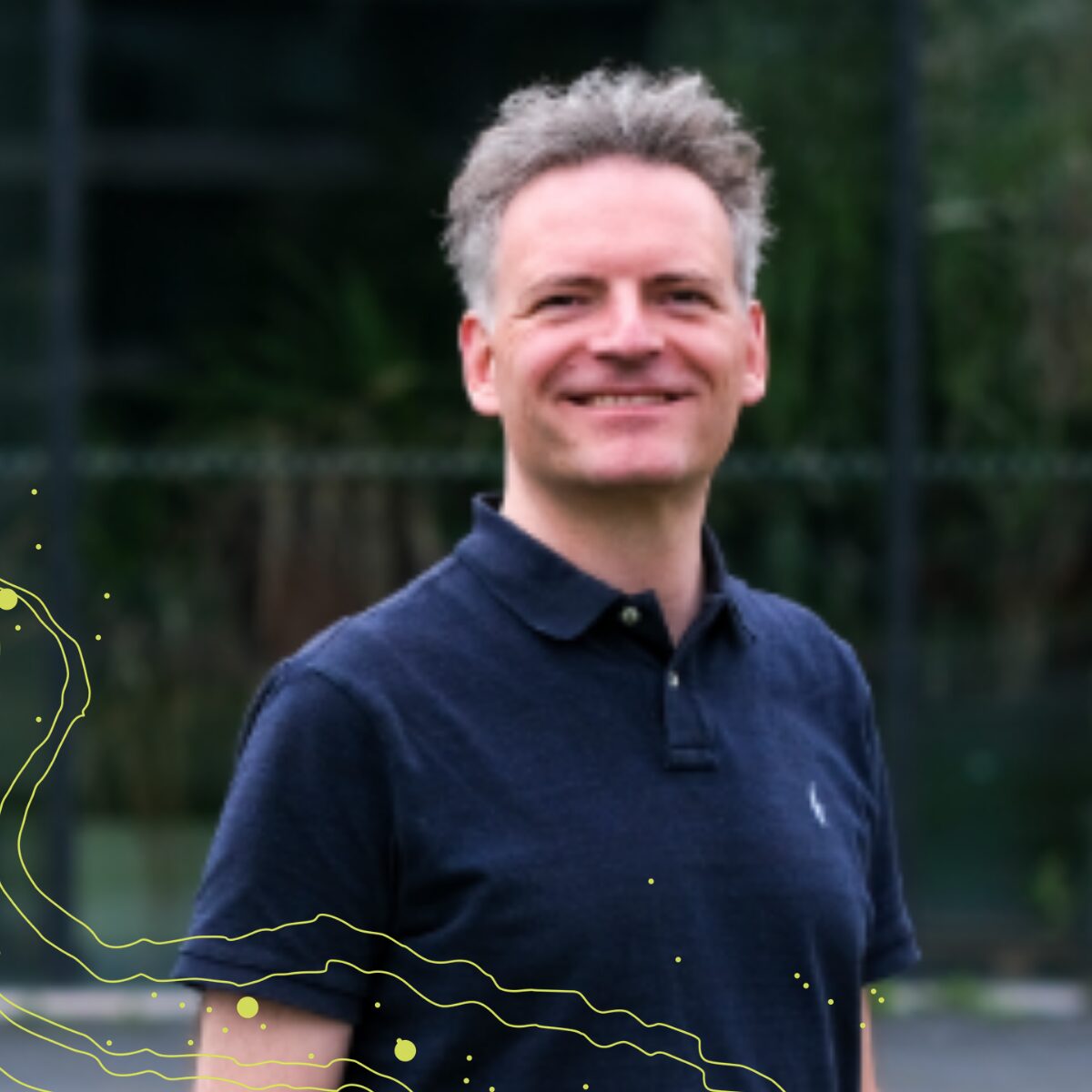
Abstract: Materials Developments for Na-Ion Batteries
Sodium-ion batteries (SIBs) have undergone rapid development in recent years and are now entering the market. The main driver for the development of SIBs is to provide a second technology for high performance energy storage alongside Li-Ion batteries (LIBs). The energy density of SIBs is close to that of LIBs, but they could be cheaper, more environmentally friendly and rely on their own more robust supply chains. In addition, SIBs could be developed to have unique properties that complement LIBs, such as fast charging or low temperature performance. While some of the promises of SIBs have been realised, others have yet to be fulfilled.
Materials development on SIBs is largely inspired by the more mature LIB technology. However, the choice of anode and cathode materials for SIBs is large and the clear winners of the development remain yet to be identified. This talk gives an overview of state-of-art SIBs and trends in the materials development.1,2 Examples include layered oxides3,4, co-intercalation electrodes (graphite5,6 and layered sulphides7,8), hard carbon9, metals (tin10, silicon11) and metal plating for anode-free cell designs with NFPP as cathode active material12.
Xeuhang Wang- (TUD)
Breakout session 3: Energy storage (Batteries and supercapacitors)
Assistant Professor in Electrochemical Energy Storage, Department of Radiation Science and Technology, Delft University of Technology, Delft 2629 JB, The Netherlands
Dr. Xuehang Wang is an Assistant Professor in the Section of Storage of Electrochemical Energy (SEE) at the Department of Radiation Science and Technology, Delft University of Technology. She earned her Ph.D. in Chemical Engineering from the Norwegian University of Science and Technology in 2016 and subsequently conducted postdoctoral research at the A.J. Drexel Nanomaterials Institute, Drexel University (2017–2020), under the mentorship of Prof. Yury Gogotsi. Her research focuses on elucidating charge storage mechanisms in electrochemical energy storage devices, with an emphasis on electrolyte transport at electrode-electrolyte interfaces.
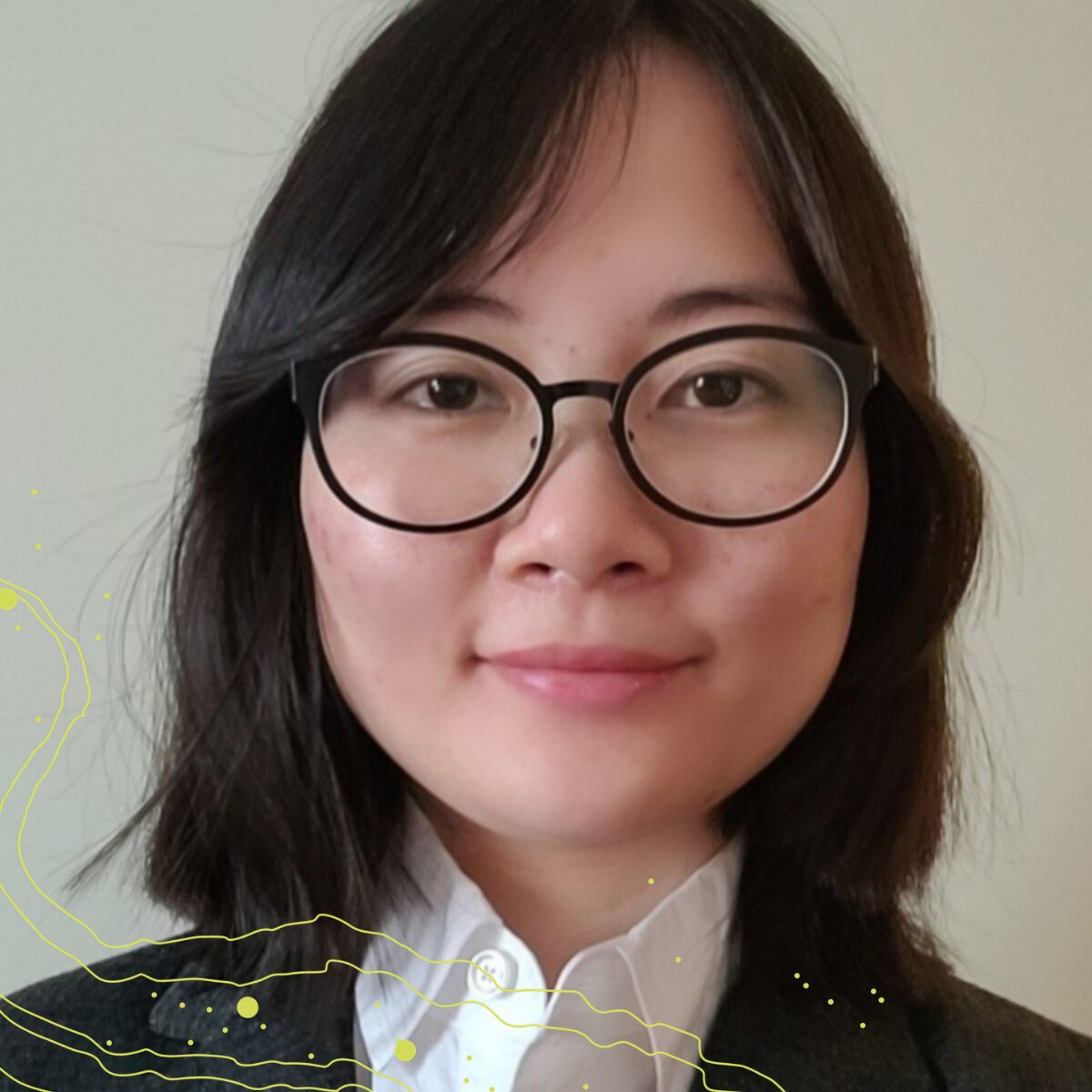
Abstract: biographyHigh-rate energy storage: Mechanistic insights into emerging materials
The accelerating electrification of mobility, electronics, and grid infrastructure demands electrochemical energy storage (EES) systems that deliver both high energy density and high power capability. Aqueous EES systems are particularly attractive due to their intrinsic safety, low cost, and environmental compatibility, yet further improvements in capacity and rate capability are still required to fully unlock their potential. Among high-rate electrode materials, 2D MXenes and conjugated polymers have shown promising performance in aqueous electrolytes, highlighting the importance of understanding their charge storage mechanisms for rational materials design.
In this talk, I will present how tailoring electrode architecture and electrolyte environment can reshape charge storage pathways in aqueous systems based on emerging materials and their heterostructures. Using MXenes as a model platform, I will show that modifying ion-solvent interactions can significantly influence both capacitance and rate performance. For example, we enhanced surface redox reactions on MXene by using water-in-salt electrolytes [1] and by tuning the initial oxidation state of Ti [2], both of which markedly increased capacitance. Furthermore, adjusting the solvation structure of intercalating ions with co-solvents enables access to new charge storage processes at more positive potentials, revealing a direct link between ion desolvation behavior and electrochemical mechanism [3].
In parallel, I will highlight conjugated polyelectrolytes (CPEs) as an emerging high-rate aqueous material and their heterostructures with MXenes. We developed a solid-state CPE that stores charge primarily through a co-ion desorption mechanism, which minimizes ion transport resistance and preserves accessibility even in thick electrodes, retaining 70 percent capacitance at 100 A/g.[4] When paired with a fast Ti3C2Tx negative electrode, the device can operate up to 10 V/s while maintaining high areal energy and power. In addition, we demonstrated a self-assembled MXene/CPE superlattice that supports rapid, redox-active ammonium ion storage, where higher CPE content enhances the redox contribution per polymer unit through improved ion desolvation in confined pores.[5]
Afternoon break-out sessions
Lindert van Biert (TUD)
Breakout session 4: H2 production and conversion
Lindert van Biert is an Associate Professor at the Maritime and Transport Technology department of Delft University of Technology, where he contributes to the maritime energy transition through research on the application of drive and energy systems based on fuel cells. The objective is to enhance the compatibility of fuel cells with marine power and propulsion requirements, through the development of new methodologies to analyse, configure, operate, and monitor them from cell to system level. Research topics include experimental characterization, modelling and simulation of fuel cell components and systems.
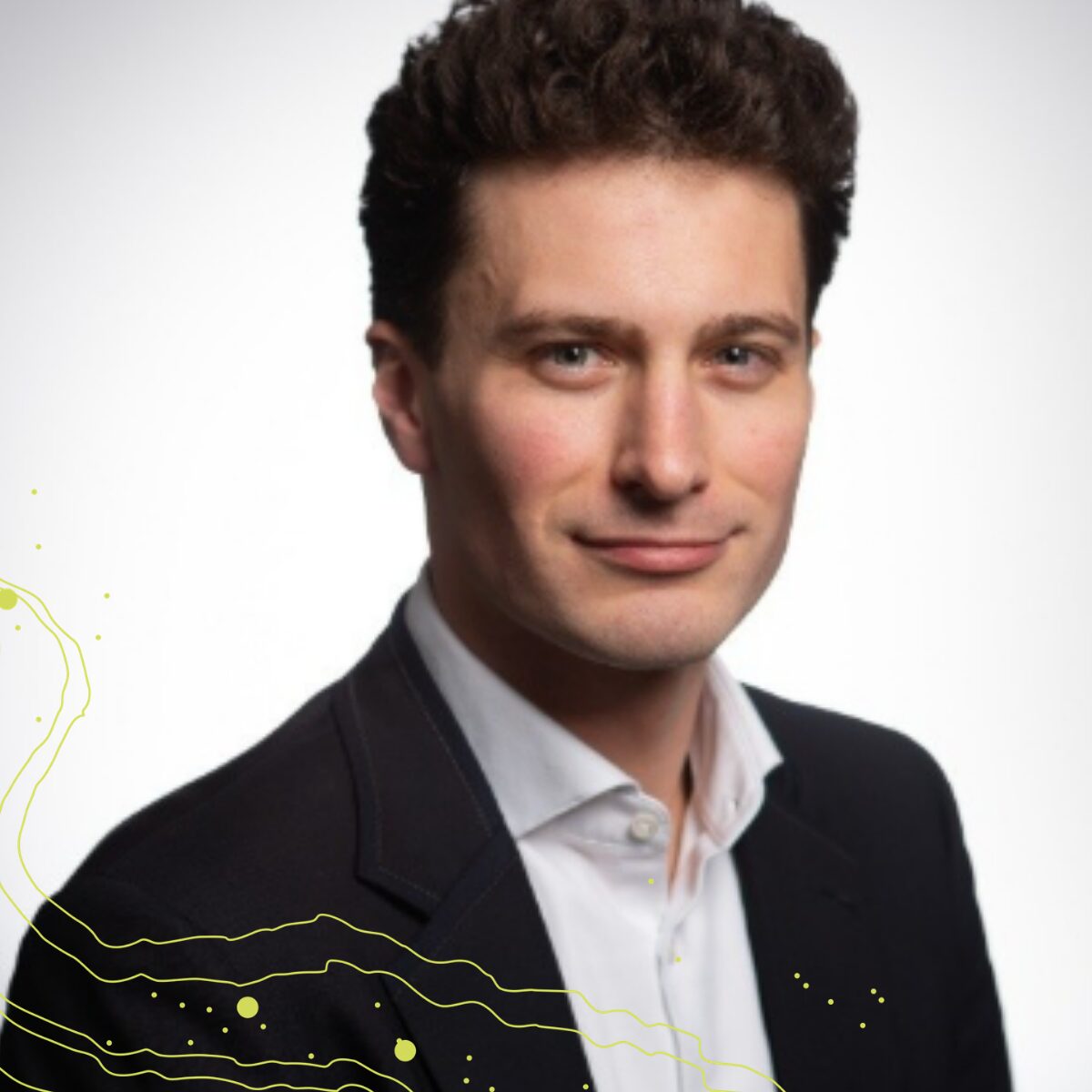
Abstract: Fuel cell system development for waterborne and airborne transportation
Shipping and aviation are often referred as hard-to-abate as they are notably difficult to electrify. However, each is responsible for approximately 3% of anthropogenic greenhouse gas emissions. Fuel cells enable highly efficient fuel conversion without hazardous emissions, reducing raw material use and may therefore play a crucial role in decarbonization of these sectors. However, fuel cell systems need to meet specific requirements, including specific power, transient capabilities, scale, durability, reliability, lifetime, and cost. This keynote presents the state-of-the-art of water- and airborne fuel cell system development, focusing on the low temperature polymer electrolyte membrane fuel cell (PEMFC) and high temperature solid oxide fuel cell (SOFC). Various research projects are presented in which fuel cell systems are tailored to the demands of specific applications s through innovative system integration and operation concepts.
Marco Altomare (UT)
Breakout session 4: H2 production and conversion
Dr. Marco Altomare is an Associate Professor in the Department of Chemical Engineering and the MESA+ Institute for Nanotechnology at the University of Twente (UT), the Netherlands. He joined the UT in 2021 with an ECCM Tenure Track position (Electrochemical Conversion & Materials). Prior to this appointment, he earned his MSc and PhD degrees from the University of Milan, Italy. He subsequently held a postdoctoral position and was a Habilitation candidate at the FAU University of Erlangen–Nuremberg, Germany.
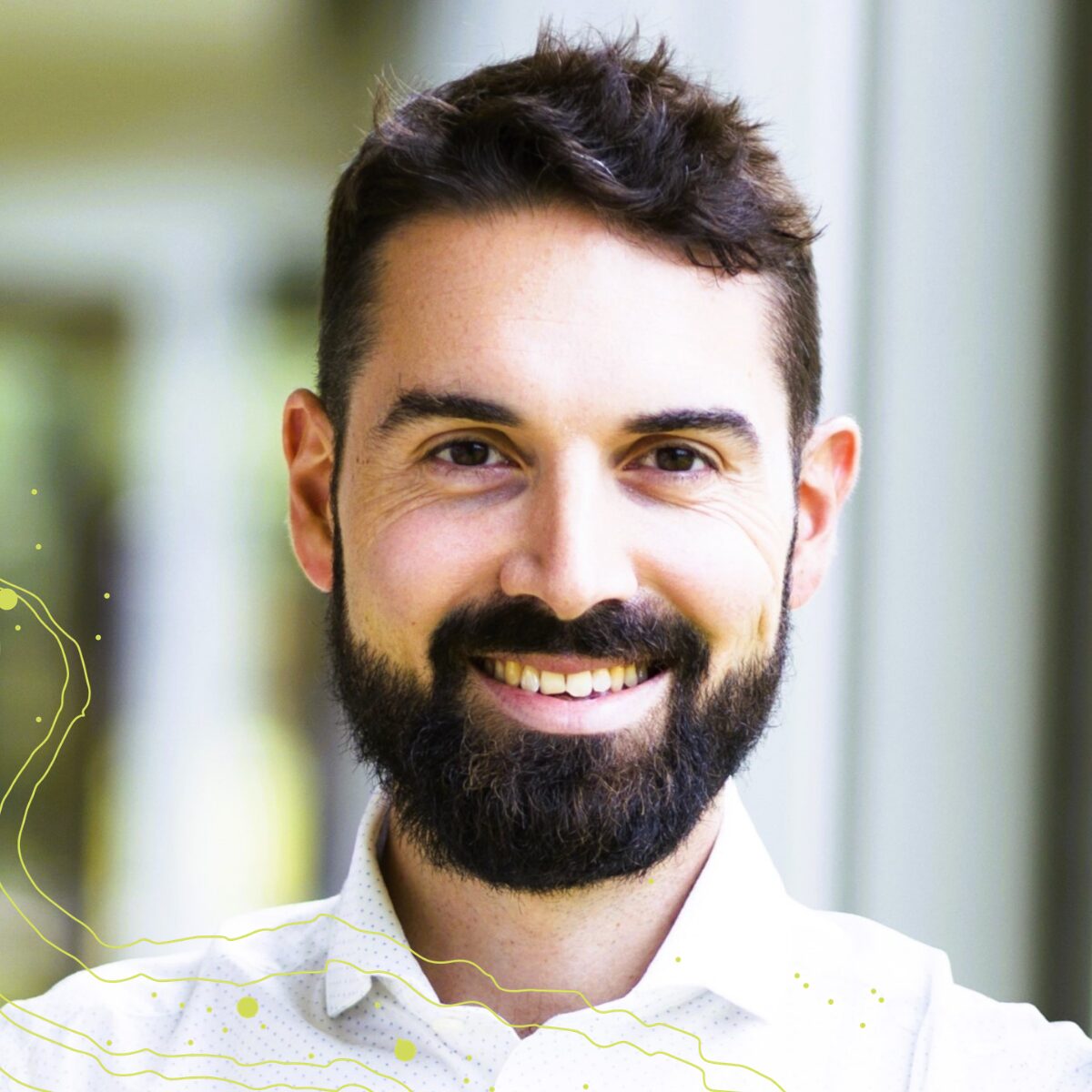
His research spans both fundamental and applied electrochemistry. His fundamental work focuses on physical vapor deposition and solid-state dewetting to fabricate well-defined thin-film and nanoparticle electrocatalysts as model systems. These platforms enable the study of structure–performance relationships and nature and stability of active sites in electro- and photo-catalysis. In applied research, he addresses water electrolysis, CO₂ conversion, and alternative electrochemical routes (including valorization of biomass-derived compounds, methane oxidation, and H₂O₂ electrosynthesis), with emphasis on electrode materials and process conditions.
From Thin Films to Model Nanoparticles:
Solid-State Dewetting for Electrocatalyst Design
Abstract
The intrinsic activity of nanoparticle electrocatalysts is often obscured by the complexity of conventional ink-based electrodes, which exhibit poorly defined morphology, composition, and mass-transport properties, limiting mechanistic understanding [1].
In this lecture, I will present solid-state dewetting (SSD) as a nanofabrication strategy to create well-defined, binder-free nanoparticle electrocatalysts [2,3]. Through thermally driven surface diffusion, governed by surface and interface energy minimization, continuous thin metal films transform into supported nanoparticles with controlled size, loading, structure, and composition [4]. These model systems provide a platform to probe structure–performance relationships and active-site nature and stability in electro- (and photo-) catalysis.
Using Pt thin films and dewetted nanoparticles for the hydrogen evolution reaction (HER) as a case study, I will discuss the nanoparticle formation mechanism (revealed by in-situ TEM [5]) and how these electrodes enable systematic investigation of catalyst–support interactions [6], facet effects [7], and mass-transport phenomena [8]. The approach is further extended to multi-metallic systems and diverse electrode substrates, offering a versatile platform for rational electrocatalyst design.
Julia Krasovic (Avantium)
Breakout session 5: CO2 conversion and N-based chemistry
Julia Krasovic is a chemical engineer with over 20 years of experience in electrochemical systems and industrial process optimization, having started her career at De Nora and advancing from Manufacturing Engineer to Senior Research Engineer by leveraging digital technologies and sustainable strategies. She led electrochemical research at Liquid Light and later contributed to catalyst and cell development at Axine Water Technologies, focusing on sustainable chemical production and water treatment. Since 2018, she has served as Director of Technology & Innovation at Volta within Avantium, holds ten patents in electrochemistry, and advises Aepnus Technologies on electrochemical scale-up for a cleaner supply chain.
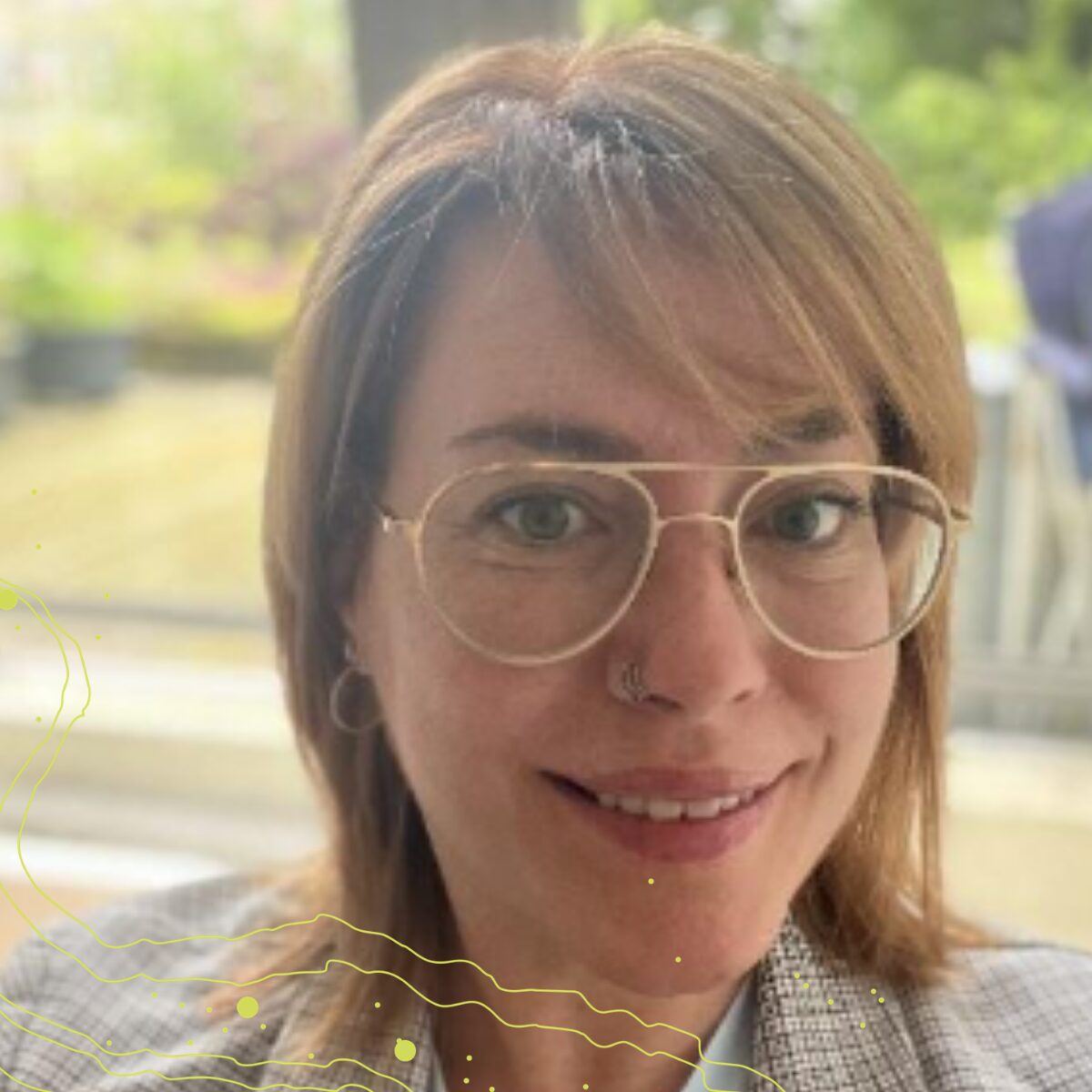
Abstract: Utilization of CO2 for Chemicals and Materials
Advancing toward a fossilfree chemical industry requires new ways to source carbon. This talk introduces Volta Technology, Avantium’s electrochemical platform that converts CO₂ and renewable electricity into valuable chemicals and materials. By producing intermediates such as formic, oxalic, glyoxylic, and glycolic acid, the technology enables sustainable polymers like PLGA with excellent barrier performance and full biodegradability.
The presentation highlights key principles of electrochemical CO₂ reduction, realworld validation through EUfunded demonstration projects, and the pathway toward industrial scaleup. Together, these developments show how CO₂ can evolve from an emission challenge into a renewable feedstock for next-generation chemicals, plastics, and packaging applications.
Ward van der Stam (UU)
Breakout session 5: CO2 conversion and N-based chemistry
Dr. Ward van der Stam is an assistant professor at Utrecht University, where his main focus lies on in situ characterization of electrocatalysts under reaction conditions. The research line combines (colloidal) nanoparticle synthesis strategies, electrochemistry and in situ spectroscopy (e.g. Raman and fluorescence spectroscopy) and X-ray techniques (e.g. X-ray diffraction, scattering and absorption) to access and understand novel reaction pathways in the electrocatalytic conversion of CO2 into value-added chemicals and fuels. Furthermore, he likes to share his passion for sustainability research and what chemistry can do to mitigate CO2 emissions with the next generation of scientists through knowledge dissemination events and teaching.
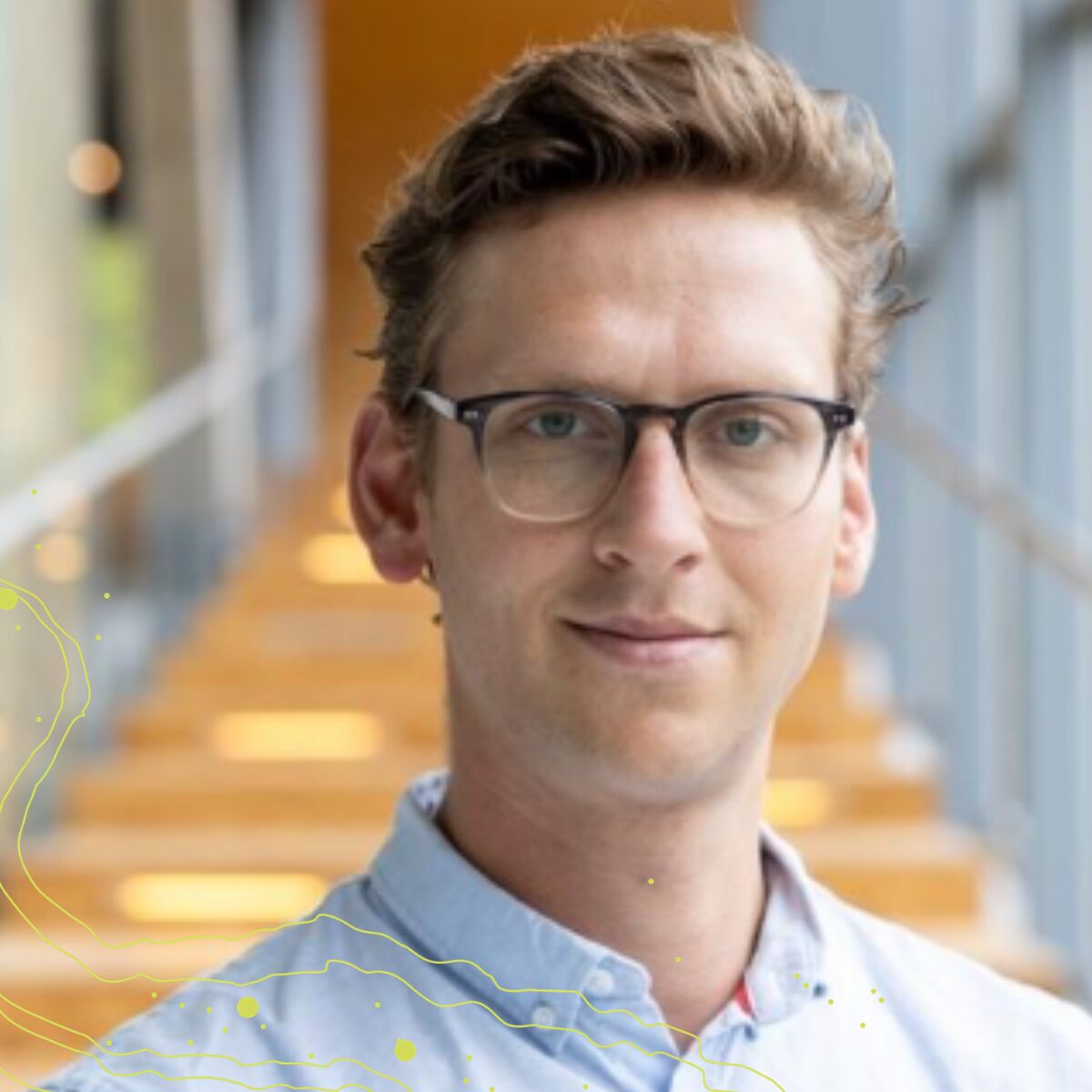
Affiliation: Assistant professor, Inorganic Chemistry and Catalysis, Utrecht University, The Netherlands
The electrocatalytic reduction of CO2 (eCO2RR) into valuable base chemicals and fuels is a very complex reaction that depends on the intimate relation between catalyst structure and external reaction conditions. Despite considerable progress over the past few years, it is evident that the precise identification of the active sites of the electrocatalyst under operation remains a challenge, which hinders the rational design and industrial application of advanced electrocatalysts for eCO2RR. For this purpose, in situ characterization techniques are required that probe the dynamic catalyst structure, from bulk to surface, with improved time and space resolution.
In this presentation, I will discuss how we deploy a variety of in situ spectromicroscopy and advanced in situ X-ray techniques to investigate the electrocatalytic activation of CO2 and the dynamic chemical structure of the electrode surface at the electrode-electrolyte interface. Recent advances focus on understanding electrolyte effects on the reaction mechanisms and the influence of heat on the electrochemical performance.
Devin Boom (TNO)
Breakout session 6: Energy storage (Batteries and supercapacitors)
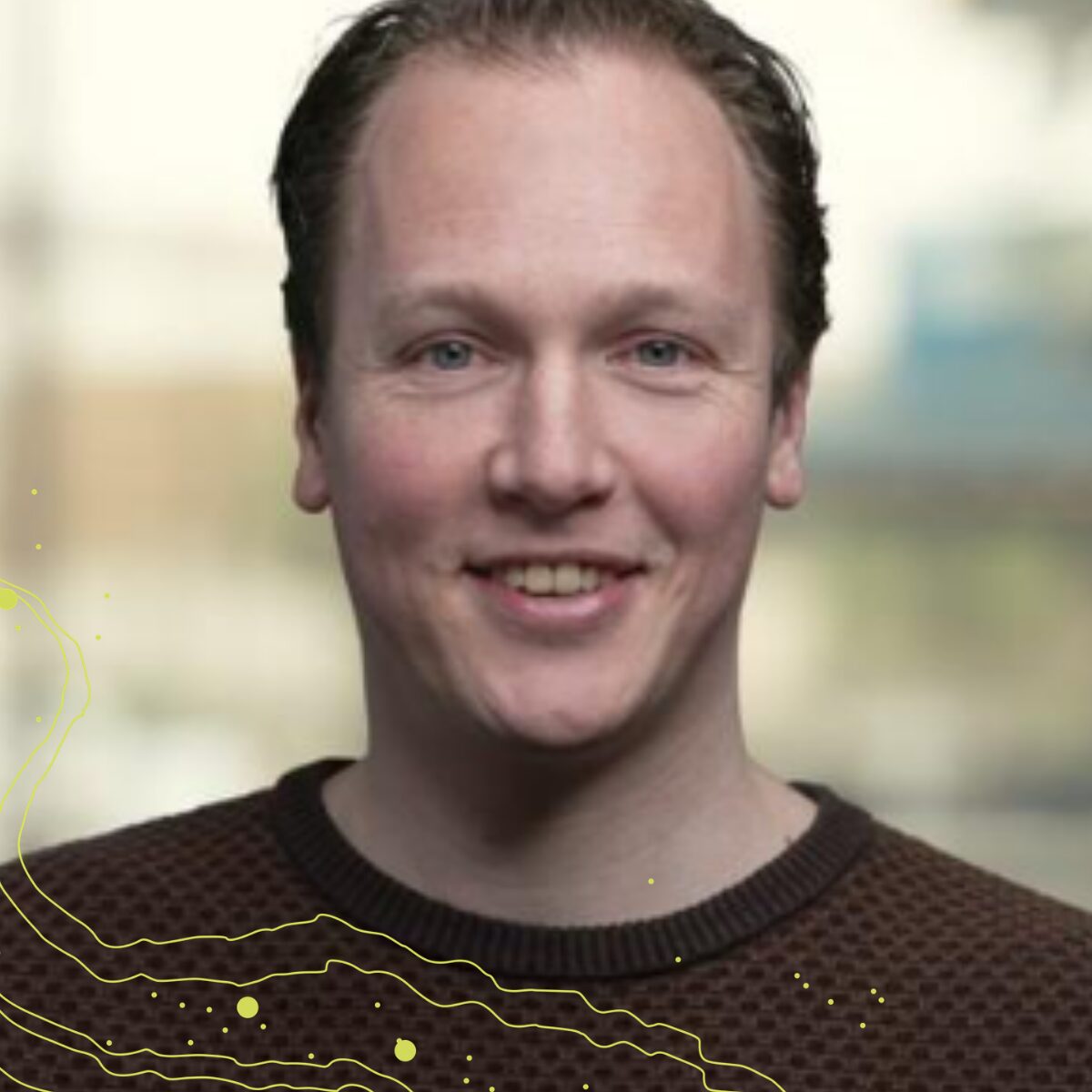
Dr. Devin H.A. Boom obtained his PhD in 2018 under the supervision of Prof. Chris Slootweg at the University of Amsterdam in the field of main-group and organometallic chemistry. Currently, he serves as a lead scientist at The Netherlands Organization for Applied Scientific Research (TNO). His research focuses on the development of sustainable recycling processes for the recovery of critical and strategic materials from waste streams, of which Li-ion recycling is of big interest. Specifically, his interests lie in the electrification of chemical recycling processes in order to regenerate reagents and increase the sustainability of the overall processes.
Abstract: Li-ion battery recycling: From industrial challenges to technological opportunities
The energy transition is essential to reach net-zero climate goals and to secure a sustainable future. While Li-ion batteries play an important role in this transition, their massive deployment in electric mobility, consumer electronics and stationary energy storage is contributing to a future challenge: Sustainable recycling of large volumes of decommissioned Li-ion batteries. This challenge also brings opportunities. Proper recycling of Li-ion batteries can serve as an important lever to secure access to (critical raw) materials, and it is also a crucial step towards a circular economy. However, the trajectory from end-of-life batteries to high-quality secondary raw materials is complex, and is characterized by technical, environmental, and regulatory obstacles.
This talk will provide a deep dive into the end-of-life value chain of Li-ion batteries, and both industrial challenges and technological innovations for battery recycling will be discussed. A strong focus will be on the chemical processes associated with Li-ion battery recycling, and the potential of electrochemistry in sustainable Li-ion recycling processes.
Nong Artrith (UU)
Breakout session 6: Energy storage (Batteries and supercapacitors)
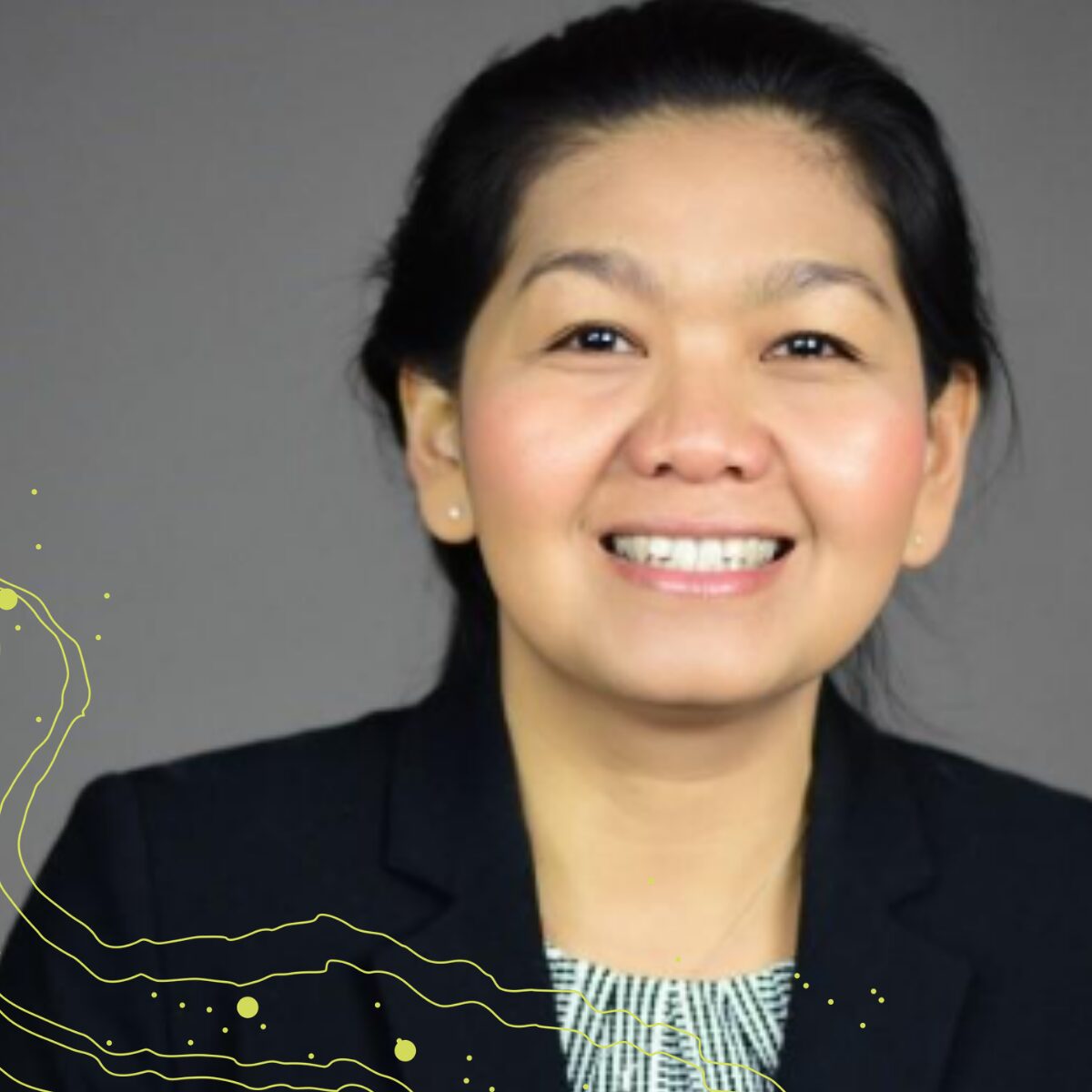
Nong Artrith is a tenured Assistant Professor in the Materials Chemistry and Catalysis Group at the Debye Institute for Nanomaterials Science, Utrecht University (and was a Visiting Researcher at Microsoft Research Amsterdam Lab 2022-2023). Prior to joining Utrecht University, Nong was a Research Scientist at Columbia University, USA, and a PI in the Columbia Center for Computational Electrochemistry. Nong obtained her PhD in Theoretical Chemistry from Ruhr University Bochum, Germany, for the development of machine-learning (ML) models for materials chemistry. She was awarded a Schlumberger Foundation fellowship for postdoctoral research at MIT and subsequently joined UC Berkeley as an associate specialist. In 2019, Nong has been named a Scialog Fellow for Advanced Energy Storage. Since 2023, Nong is a member of the NL ARC CBBC (https://arc-cbbc.nl ). She is the main developer of the open-source ML package ænet (https://github.com/atomisticnet) for atomistic simulations. Her research interests focus on the development and application of first
principles and ML methods for the computational discovery of energy materials and for the interpretation of experimental observations.
Abstract: Harnessing Machine Learning for Advancing Amorphous Battery Materials
Many materials with applications in energy, e.g., batteries, are non-crystalline or exhibit complex chemical disorder and multicomponent compositions. This complexity makes direct modeling with first-principles methods challenging. To address this challenge, we developed accelerated sampling strategies based on machine learning interatomic potentials (MLIPs), genetic algorithms, and molecular dynamics simulations [1]. Here, I will discuss the methodology and its applications to both amorphous and crystalline battery materials. For amorphous materials, we constructed the phase diagram of LiSi alloys, which are prospective anode materials for lithium-ion batteries [2], and mapped the composition-structure space of lithium thiophosphate (LiPS) solid electrolytes [3-5], correlating thermodynamic stability and ionic conductivity with local structural motifs to identify structure-composition-property relationships. For crystalline layered oxides, our recent work demonstrates the use of MLIPs for direct atomistic simulations of LiNi0.8Mn0.1Co0.1O2(NMC811), enabling efficient and accurate prediction of Li-ion transport properties that would be computationally prohibitive with conventional first-principles methods. Complementing these simulations, X-ray absorption spectroscopy (XAS) provides local chemical insights; we established an S/P/O K-edge XAS databases for LiPS / NMC811 materials using simulated structures [3]. Together, these studies illustrate how ML-driven simulations integrated with spectroscopic analysis can accelerate the understanding and design of complex battery materials at the atomic scale.