
Successful green hydrogen projects
H2 Drive: the feasibility of an electrolyser
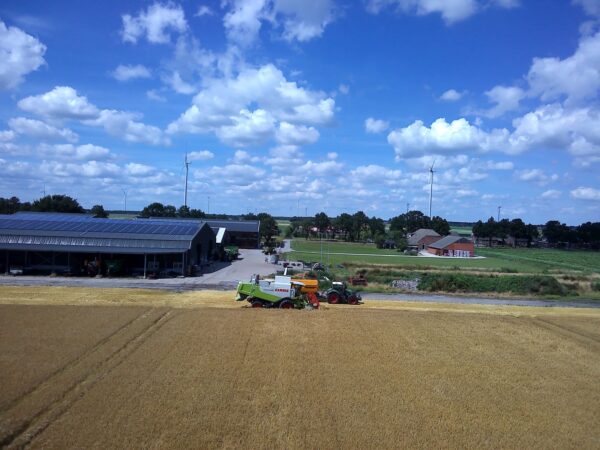
H2 Drive is investigating the feasibility of a 10–20 MW electrolyser in Drenthe to produce green hydrogen, reduce grid congestion, and build a hydrogen refuelling station.
H2 Smart EnergyHub: environmental study on hydrogen production
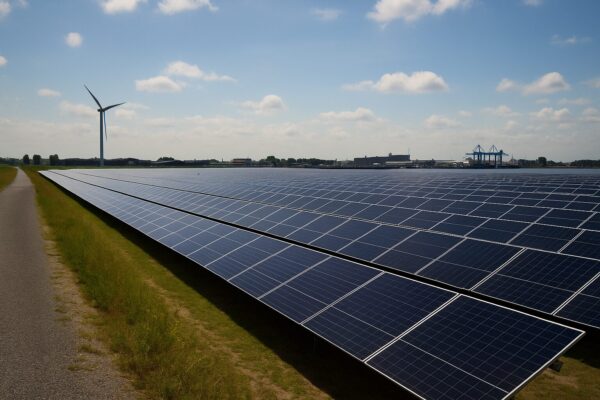
In Sliedrecht, partners conduct an environmental study on a 10–30 MW hydrogen facility. The study provides insights into design, investments, organisation and permitting.
SOON: Producing ammonia with renewable hydrogen
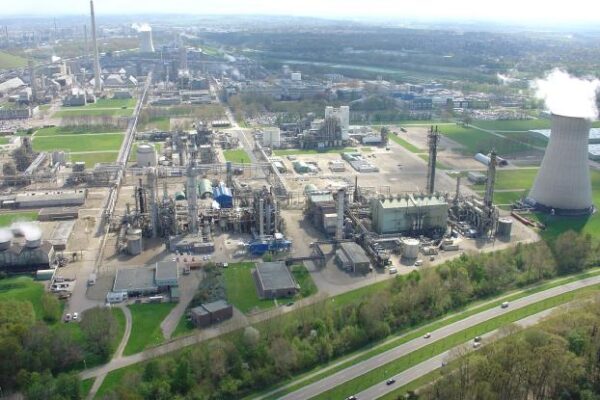
OCI Nitrogen investigates how to decouple the conventional SMR from ammonia production in Project SOON. The study includes design, environmental impact and techno-economic modeling, paving the way for a net-zero ammonia plant.
AMMONEX: Converting ammonia into hydrogen
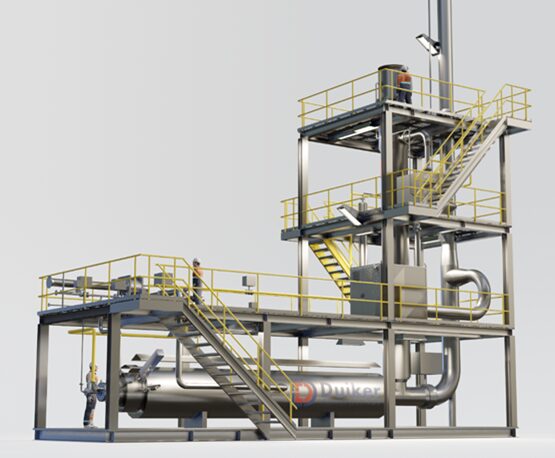
Pilot of Duiker’s innovative ammonia cracking reactor (>90 % efficiency). The project enables large-scale, reliable and sustainable hydrogen import via ammonia.
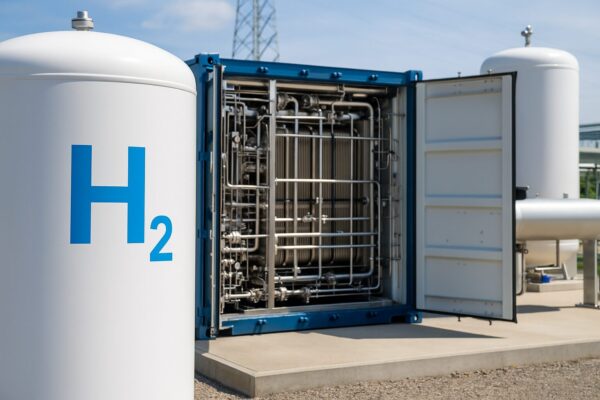
Microcrack detection technology for hydrogen transport: demonstrating pipeline safety
Pipe Survey develops and tests innovative technology to detect cracks in hydrogen pipelines at an early stage, improving safety and accelerating the scale-up of hydrogen transport.
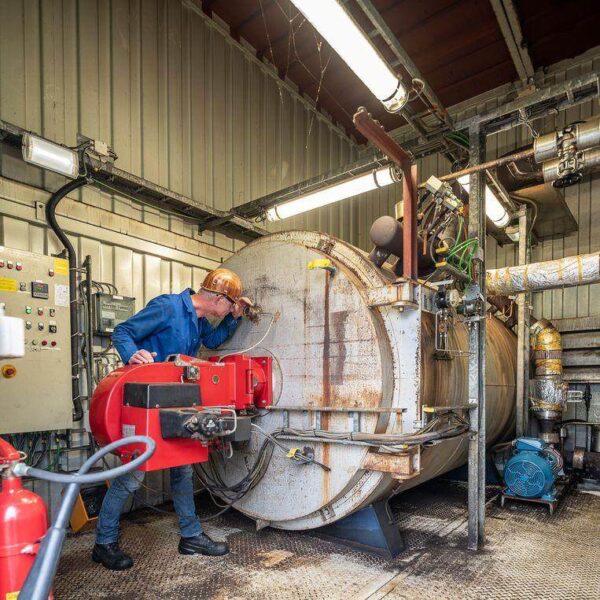
HyMag500: 500 kW alkaline electrolyser pilot – blending hydrogen in gas-fired furnaces
VDL Hydrogen Systems and Nedmag test a 500 kW electrolyser to produce local green hydrogen, blend it into furnaces, and gather insights for future scale-up.
H2&GC Ideation Labs: from scientific idea to commercial plan
Under the name ‘Ideation Labs’, TU Delft launched a programme where top Dutch students explore the valorisation and societal impact of scientific innovations, with labs across the country focusing on green hydrogen and chemistry.
Syngas from renewable hydrogen: production without fossil feedstocks
BioMethanol Chemie Nederland (BioMCN) aims to produce products based on synthesis gas (syngas). Syngas is a mixture of hydrogen, carbon monoxide, and carbon dioxide. By importing green hydrogen and biogenic carbon dioxide, BioMCN is focusing on a transition from fossil feedstocks to a low-carbon future. This project provides further insight into, among other things, the technical feasibility and environmental impact.